Somewhere in every freezer is a bag of something. No label, no shape anyone recognizes, definitely older than it should be. It sits behind the ice cream and in front of a box of waffles until someone finally gives up and tosses it, unopened, unidentified, a small monument to good intentions.
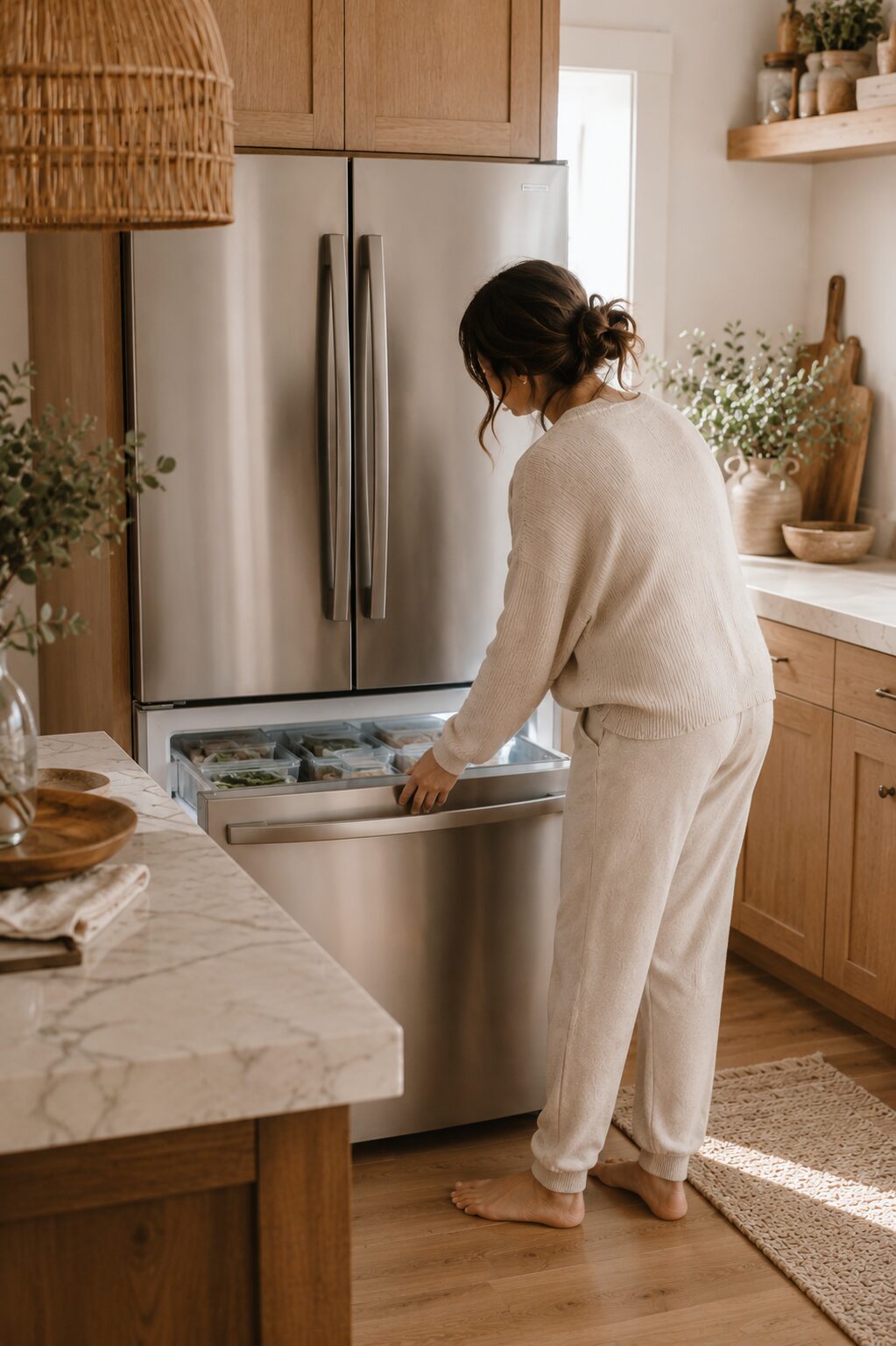
That bag is the reason to organize a freezer in the first place. Not for the aesthetic of it, though a tidy freezer is genuinely satisfying to open, but because a disorganized one quietly costs money and time. Food gets forgotten and wasted. Dinner takes longer to pull together because half the search is just figuring out what is actually in there. And for anyone leaning on the freezer for real support right now, batch-cooked meals, breast milk, soup someone dropped off, the stakes for staying on top of it are even higher.
The good news is that organizing a freezer is not a weekend project. It is a handful of the right containers, a labeling habit, and a system for putting things away the same way every time. Once that is in place, it mostly runs itself.
What to Look For When You Organize a Freezer
Not every bin sold as a freezer organizer is actually built for one. Cold temperatures make cheap plastic brittle, and anything without a true freezer-safe rating can crack, warp, or leach a plastic smell into food over time. The pieces worth buying are the ones with a genuine freezer-safe designation, dimensions that match a specific freezer type, and materials sturdy enough to hold their shape when packed full and yanked in and out multiple times a week.
Chest freezers and upright freezers also call for different approaches. A chest freezer benefits from stackable or hanging baskets that use vertical space and keep the bottom from becoming a black hole. An upright freezer does better with slide-out bins sized to its shelves. Buying for the freezer actually being organized, rather than whatever looked good online, makes the biggest difference in whether the system sticks.

Start With Bins That Fit Your Freezer
YouCopia FreezeUp Freezer Bin, 12″
For an upright freezer, YouCopia FreezeUp Freezer Bin, 12″ is a good place to start.
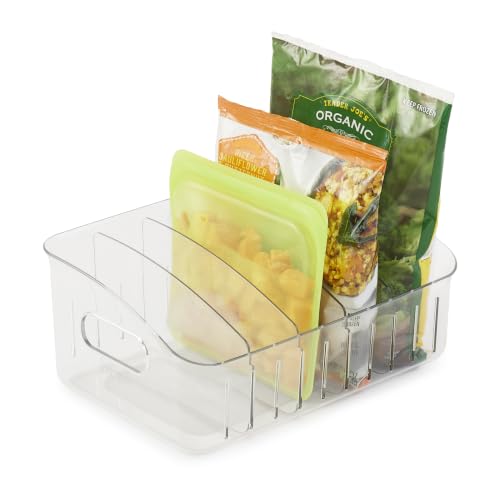
The clear sides mean no guessing what is inside, and the adjustable dividers keep frozen bags standing upright instead of sliding into a pile. It fits neatly on a standard shelf without eating up much depth.
YouCopia FreezeUp Freezer Bin, 15″
For families who go through more frozen meals or produce, the YouCopia FreezeUp Freezer Bin, 15″ is the larger companion.
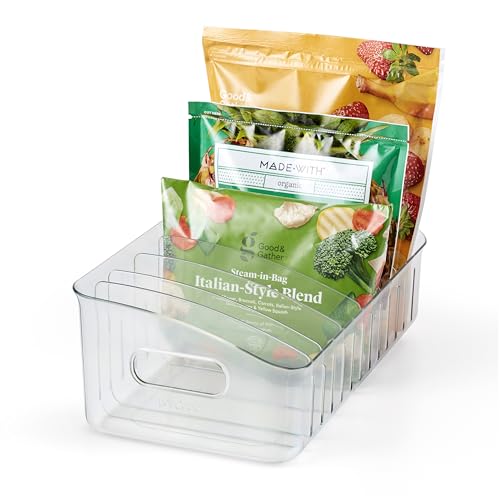
Same clear-bin, adjustable-divider design, just with more room, which makes it a natural fit for a shelf dedicated to breakfast items or backup dinners.
Homics Chest Freezer Baskets
Chest freezers work differently, and Homics Chest Freezer Baskets are built for that layout specifically.
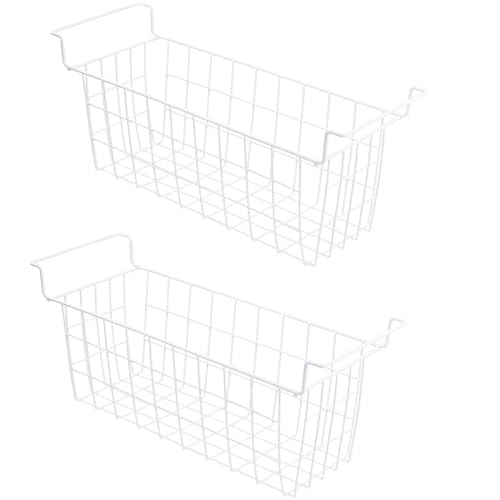
The wire construction hangs along the rim of the freezer, which means the everyday items stay accessible near the top instead of buried under bulk purchases. It is a simple fix for the classic chest freezer problem of forgetting what is at the bottom until it resurfaces months later.
iSPECLE Freezer Organizer Bins
For chest freezers with deeper wells, iSPECLE Freezer Organizer Bins stack to make use of vertical space that would otherwise go to waste.
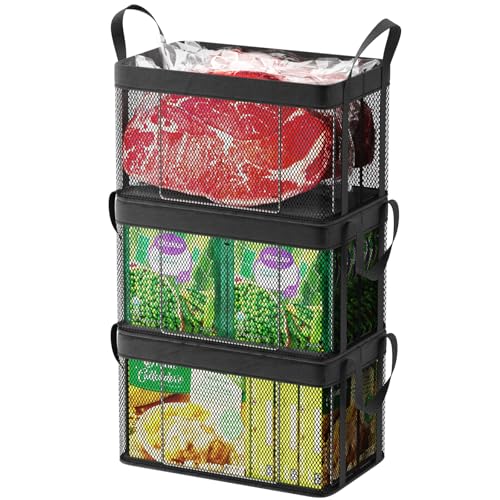
The side handles make it possible to lift an entire basket out at once, rather than digging through frozen layers to reach something at the bottom.
Goovilla Freezer Organizer Bins
The Goovilla Freezer Organizer Bins fold flat at the handles for stacking, which is useful for anyone working with an oddly shaped or smaller chest freezer.
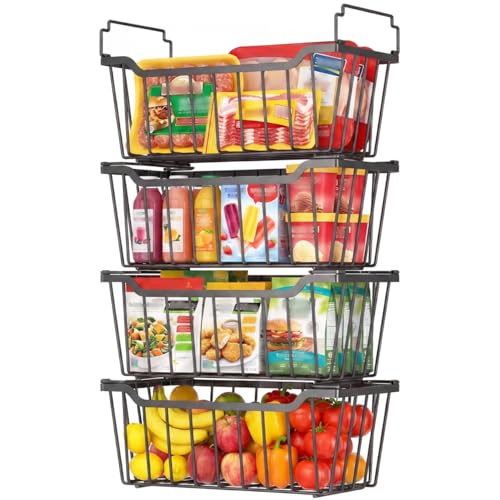
They hold their shape well under a full load and are a good option for someone easing into a full organization system without committing to bins for the entire freezer at once.

Portion Before You Freeze
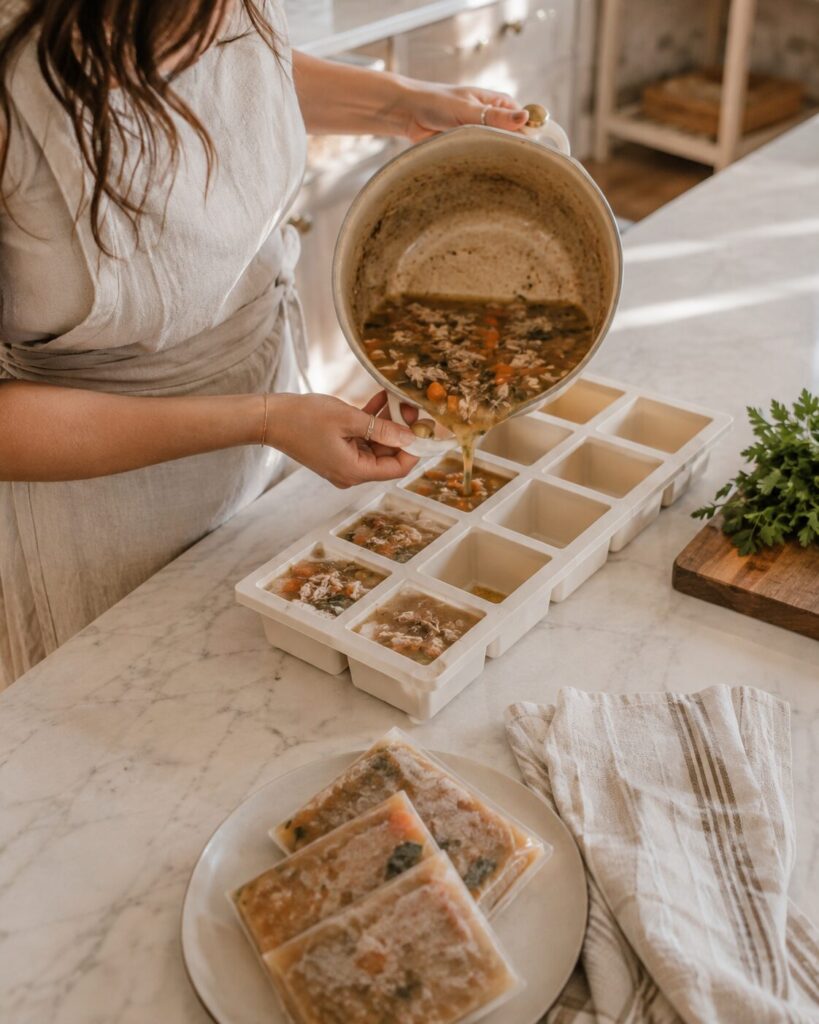
Bins solve the big-picture chaos, but a lot of freezer frustration comes down to portioning. Freezing a whole pot of soup or a family-sized batch of sauce means thawing the whole thing just to use a portion of it, which usually ends in waste. Silicone freezer trays solve that by freezing food in individual, stackable portions from the start.
Souper Cubes 1 Cup Silicone Freezer Tray
Souper Cubes 1 Cup Silicone Freezer Tray is the workhorse size for broth, purees, sauces, and baby food.

Once frozen, the portions pop out and can be transferred to a bag or bin, freeing up the tray for the next batch. The fill lines take the guesswork out of portioning, which matters more than it sounds like it would when reheating for one person versus a whole table.
Souper Cubes 2 Cup Silicone Freezer Tray
The Souper Cubes 2 Cup Silicone Freezer Tray covers full meal portions, soups, casseroles, and chili included.
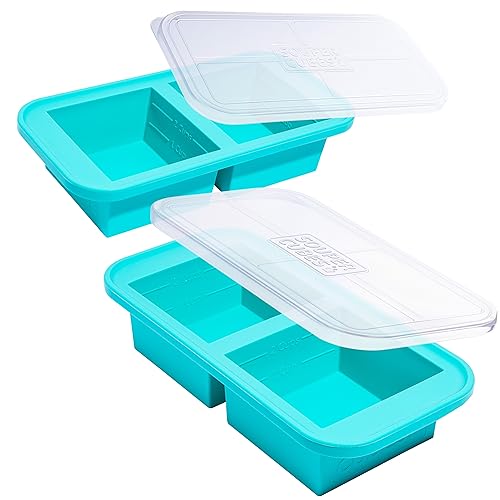
It is an easy way to build a rotating stash of grab-and-reheat dinners without relying on takeout on the busy nights.
FOHERE Silicone Freezer Tray
The FOHERE Silicone Freezer Tray has a reinforced steel rim, which keeps the tray from bowing or spilling when it is full and being moved.
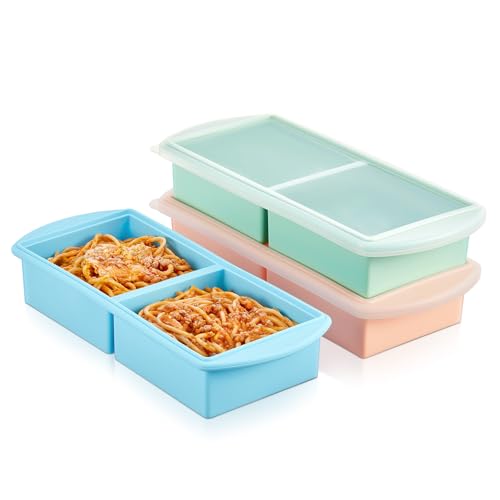
The leak-proof lid also cuts down on the freezer smell transfer that can happen with open trays, which is a small detail that makes a real difference over time.
Bags That Hold Up in the Cold
For anything that does not need a rigid container, a reusable silicone bag is the better option, and a meaningfully better one than single-use plastic, which tends to tear at the seams once frozen and thawed a few times.
Stasher Silicone Storage Bags
Stasher Silicone Storage Bags are the most well-reviewed option in this category, and it shows in how they hold up over repeated freeze-and-thaw cycles.

The pinch-seal closure stays sealed without pinching fingers, and the bags lay flat in a drawer when empty, which matters in a kitchen without endless storage space.
Winrock Silicone Storage Bags
Winrock Silicone Storage Bags come in three sizes in one set, which covers everything from a single portion of soup to a full pound of ground meat.

They stand upright while being filled, which is a genuinely underrated feature when hands are full and a bag needs to stay open on its own.
Annaklin Silicone Storage Bags
Annaklin Silicone Storage Bags round out the set with twelve bags across three sizes, useful for anyone doing a larger batch-cooking session all at once.

The translucent design makes it easy to see what is inside without pulling every bag out to check.
Label Everything (Yes, Really)
The step that actually makes a freezer system last is the one people skip: labeling. A bag or container without a date turns back into a mystery within a month, which defeats the entire point of organizing in the first place.
MESS Reusable Chalkboard Labels
MESS Reusable Chalkboard Labels are simple, write-on, wipe-off labels that stick to bins, bags, and trays alike.
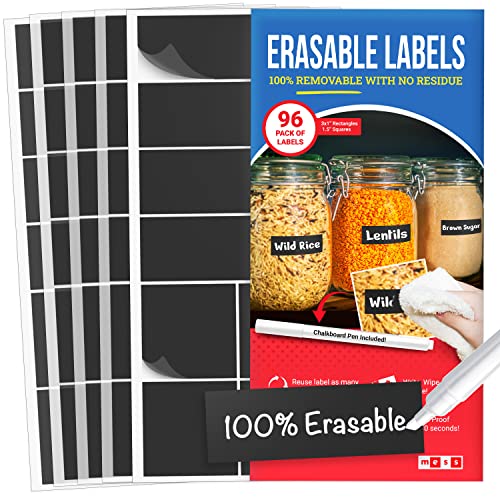
Contents and date are really all a label needs to say, and these make that a five-second habit instead of a chore.
Phomemo D30 Bluetooth Label Maker
For a more permanent system, the Phomemo D30 Bluetooth Label Maker prints small adhesive labels straight from a phone.

It is a nice upgrade for anyone who wants labels that will not smudge or wipe off by accident, especially on items headed for longer-term storage.
Keeping It Organized Long-Term
The system only works if putting things away matches how they get pulled back out. New items go in the back or bottom, older items move to the front or top, and the freezer gets a quick five-minute reset every week or two rather than a full overhaul every few months. That habit alone prevents most of the buildup that leads to a freezer nobody wants to open.
This kind of system pairs especially well with a stocked stash of freezer-friendly meals for the early postpartum weeks, when reheating something familiar matters more than cooking anything new. For ideas on what actually holds up well in the freezer during that stretch, this roundup of postpartum snacks is a good next stop.
The Takeaway
A freezer that is easy to open, easy to search, and easy to trust does not happen by accident, but it also does not take much to build. A few well-chosen bins, a couple of silicone trays for portioning, bags that actually hold up in the cold, and a labeling habit are the whole system. The upfront effort is small. The payoff, fewer wasted groceries, faster dinners, one less thing to think about on a hard day, is not.
Frequently Asked Questions
How do I organize a chest freezer versus an upright freezer?
Chest freezers do best with stackable or hanging wire baskets that use vertical space and keep everyday items near the top rim, since the bottom of a chest freezer is the hardest spot to reach. Upright freezers work better with slide-out bins sized to fit each shelf, which keep items from sliding into a pile every time the door opens.
What is the best way to prevent freezer burn?
Freezer burn happens when air reaches food, so the fix is airtight storage. Reusable silicone bags with a true seal, along with lidded trays and bins, do a much better job than loosely folded bags or open containers. Pressing excess air out before sealing anything makes a noticeable difference too.
How long can food actually stay in the freezer?
According to the USDA’s Cold Food Storage Chart, food kept continuously at 0°F or below is safe to eat indefinitely. The storage times commonly listed for different foods are about quality, not safety, so a label with the freeze date is what actually matters for deciding when to use something up.
Do I need special containers, or will anything work?
Regular containers can crack or warp in freezer temperatures if they are not rated for it, and repeated cracking means replacing them more often. Freezer-safe bins, trays, and bags cost a little more upfront but hold their shape and seal properly, which ends up being the more practical choice over time.
How do I organize freezer meals for the postpartum stretch or a new baby? Portioning matters most here, since reheating a single serving is much easier than defrosting a whole dish one-handed. Silicone trays in individual portions, clearly labeled with contents and date, make it simple for a partner or visitor to grab something and heat it up without asking questions.
Disclosure: This post contains affiliate links. If you purchase through these links, I may earn a small commission at no extra cost to you. Thank you for supporting Raising Well!