Somewhere around the second trimester, a lot of moms start noticing that their ankles look a little different by the end of the day. Shoes that fit fine in the morning feel snug by dinnertime, and legs that used to carry you through a full day of errands suddenly feel heavy before noon. This is exactly where compression hose for pregnancy earn their reputation. They are not a fussy maternity extra. For many women, they are one of the simplest, most effective ways to feel more comfortable in a body that is working overtime.
The idea behind compression hose is straightforward. Graduated compression applies gentle, targeted pressure that is strongest at the ankle and gradually loosens as it moves up the leg. That pressure encourages blood to keep moving back toward the heart instead of pooling in the lower legs and feet, which is where a lot of pregnancy swelling tends to settle. The result, for most women, is less heaviness, less end of day puffiness, and legs that simply feel more like their own.
This guide covers why pregnancy causes so much swelling in the first place, what to actually look for in a good pair of compression hose, and a rounded up list of favorites, from soft natural fiber options for sensitive skin to firmer support styles for the later weeks.
Why Legs Swell So Much During Pregnancy
Swelling, or edema, is one of the more universal pregnancy experiences, and there is a real physiological reason behind it. As pregnancy progresses, blood volume increases significantly to support the growing baby, and the body holds onto more fluid than usual. At the same time, the growing uterus puts pressure on the pelvic veins and the inferior vena cava, the large vein that carries blood from the lower body back to the heart. That added pressure makes it harder for blood to circulate efficiently through the legs, so fluid tends to collect in the feet, ankles, and calves, especially later in the day or after long stretches of standing or sitting.
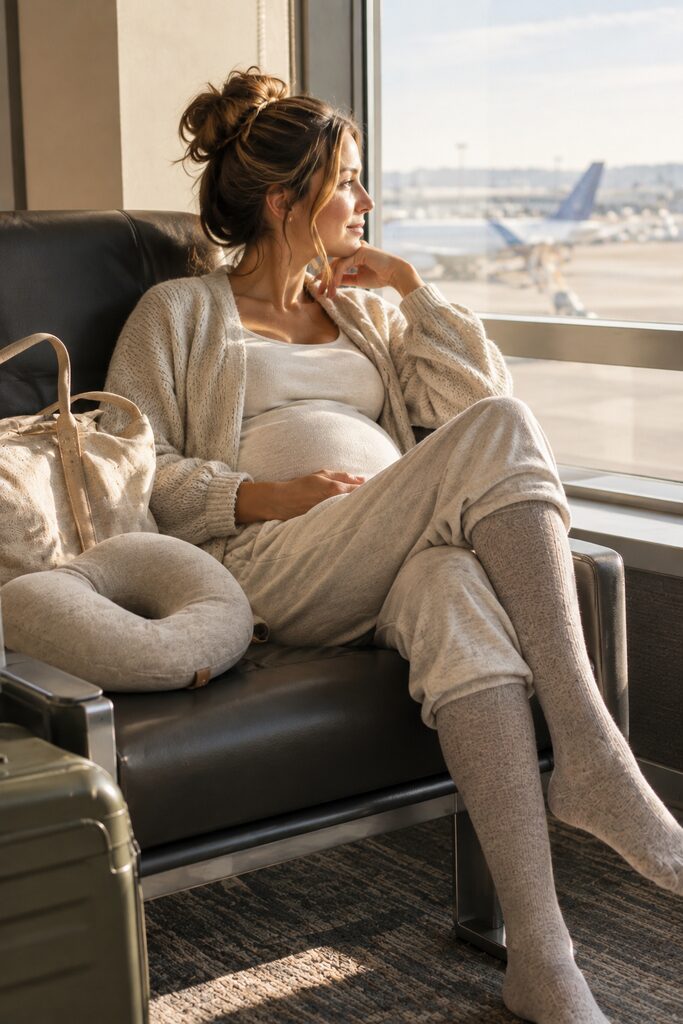
ACOG advises pregnant travelers to stay hydrated, move periodically, avoid restrictive clothing, and consider support stockings, since travel of four hours or more roughly doubles the risk of blood clots and pregnancy is already an added risk factor.
None of this means every pregnant woman needs medical grade compression, but for most women dealing with typical pregnancy swelling, moderate compression hose offer real, noticeable relief. Anyone with a history of blood clots, preeclampsia, or other circulation concerns should talk with their doctor before starting a compression routine, since the right compression level can vary based on individual health history.

What to Look For in Compression Hose for Pregnancy
- Compression level: Most over the counter pregnancy compression hose fall between 15 and 20 mmHg, which is considered moderate and appropriate for everyday pregnancy swelling. Firmer options, in the 20 to 30 mmHg range, are typically reserved for more significant swelling or a doctor’s specific recommendation.
- Material: Pregnant skin can be more sensitive than usual, so natural fibers like bamboo viscose, merino wool, and cotton blends tend to feel gentler against the skin than fully synthetic options, while also managing moisture and temperature better.
- Length and style: Knee high is the most common and versatile length, but open toe styles can be a relief for women whose swelling concentrates in the feet and toes, and wide calf styles matter for anyone whose calves have changed shape as pregnancy progresses.
- Ease of wear: A growing belly makes bending over to pull on snug hose more of a project than it used to be. Softer, more elastic fabrics and features like reinforced heels make the daily ritual noticeably easier.
Compression Hose for Pregnancy, By Style and Need
Maternity Specific Staples
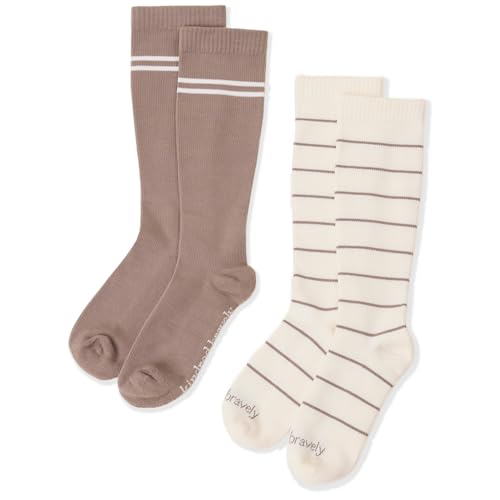
Kindred Bravely Maternity Compression Socks were built specifically with pregnancy in mind, and it shows in the details. The bamboo viscose and spandex blend gives the sock enough stretch to pull on over a changing calf without a struggle, and the graduated compression is designed to ease soreness and swelling from morning through evening. This is the kind of staple that earns a permanent spot in a rotation, whether it is worn on a slow day at home or a full day of errands.

a second Kindred Bravely two pack is worth keeping on hand for moms who like a spare pair in the wash cycle. It covers the same soft, graduated compression in a fresh set of prints, and having a backup ready matters more than it sounds like once compression hose become a daily habit.
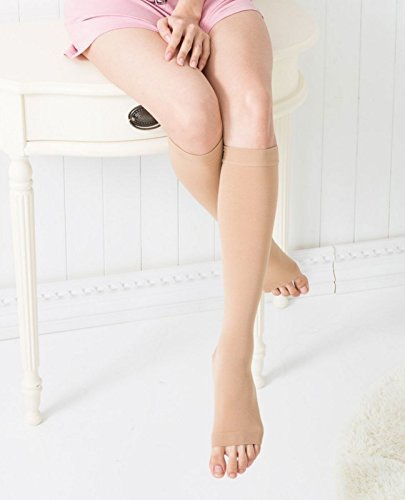
Runee Maternity Open Toe Compression Sock is a smart pick for anyone whose swelling does not stop neatly at the ankle. The stay up top is designed to stretch without digging in, and the open toe design means there is no added pressure squeezing tired toes at the end of a long day.
Natural Materials for Sensitive Skin
Comrad’s Recycled Cotton Knee High Compression Socks prove that compression does not have to look or feel clinical. The blend of recycled cotton and nylon feels soft against sensitive pregnancy skin, and the brand’s signature dual layer cuff keeps the sock from sliding down over the course of a day on your feet.

Comrad’s TimberWool Knee High Compression Socks combine ethically sourced merino wool with tree fiber for a sock that regulates temperature as well as it supports circulation. It has the look and feel of a proper dress sock rather than a medical accessory, which makes it easy to wear well past the nursery and into everyday life.
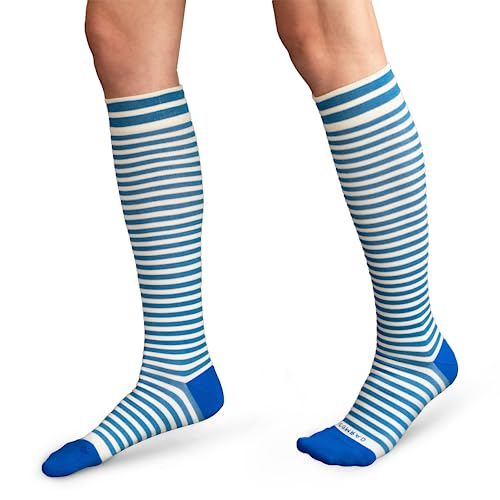
Sockwell’s Circulator Moderate Graduated Compression Sock has been a favorite for years, long before compression found its way into maternity wardrobes. The moderate compression, arch support, and seamless toe closure make it a reliable everyday option, and the merino wool and bamboo rayon blend keeps feet dry without the synthetic feel of a typical drugstore pair.

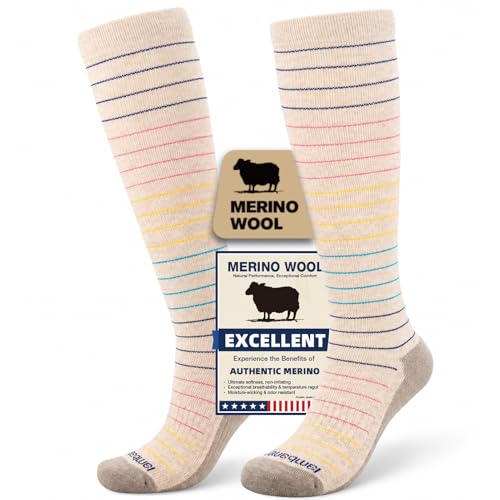
Iambamboo’s Merino Wool Compression Socks lean into natural fiber from a slightly different angle, blending merino wool with viscose from bamboo for a sock that is soft, breathable, and durable enough for daily wear. The firmer compression range makes it a good option for later pregnancy or long travel days, when a little extra support goes a long way.
Wellow’s Knee High Compression Socks are made exclusively from viscose derived from bamboo, and the brand has built a loyal following among nurses and pregnant women alike for the soft, gentle hug feel of its compression. It is a nice option for anyone who wants moderate, all day support without a synthetic feel against the skin.

For Travel and Long Days on Your Feet
LEVSOX’s Cotton Compression Socks come from a smaller, lesser known brand compared to some of the others on this list, but they are a genuinely useful, budget friendly option for travel days, long flights, or as a backup pair to keep in a hospital bag. The cotton blend and playful prints make it easy to forget you are wearing compression at all.

For Extra Support Later in Pregnancy
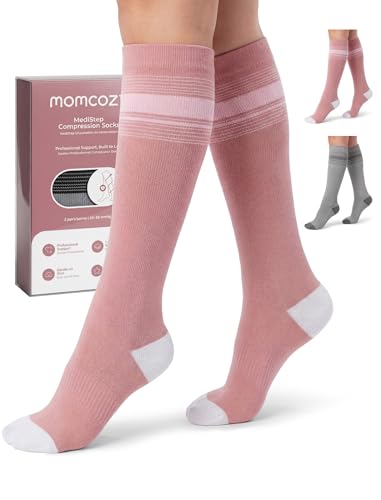
Momcozy’s Medical Grade Compression Socks offer stronger, zoned compression built with Lycra fiber for lasting elasticity, which can be especially helpful in the final trimester or for anyone managing more significant swelling. As with any higher compression garment, it is worth running the choice by a doctor first, especially later in pregnancy.
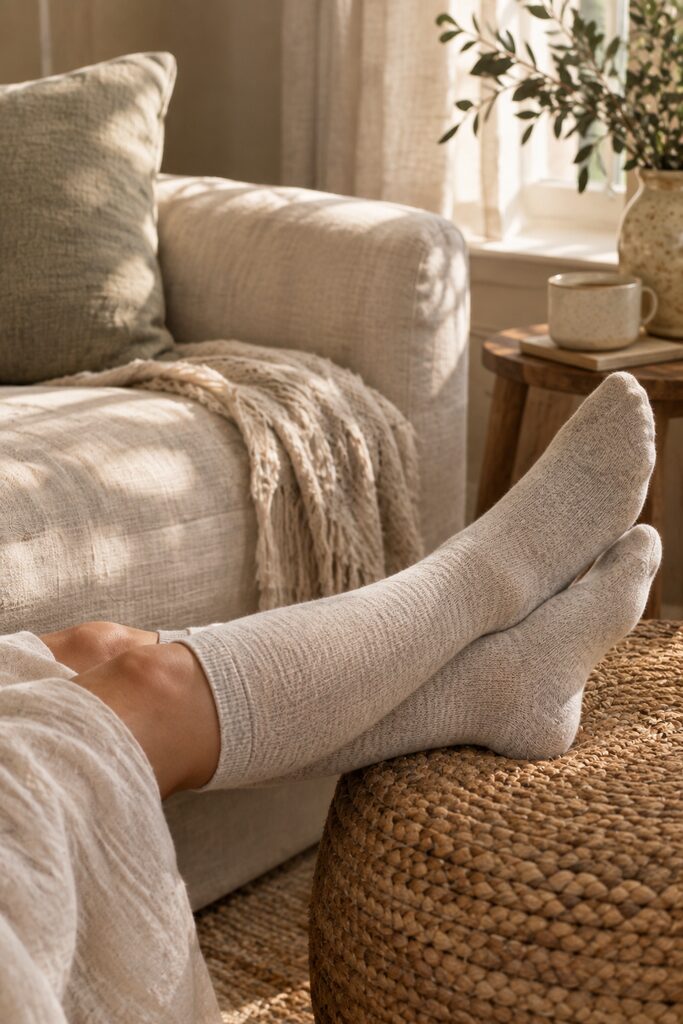
How to Wear Compression Hose Comfortably During Pregnancy
Getting the timing and technique right makes a real difference in how compression hose feel over the course of a day.
- Put them on first thing in the morning, before swelling has a chance to set in. Once legs are already swollen, hose are much harder to pull on and less effective once they are on.
- Sit down on the edge of a bed or a sturdy chair rather than trying to balance while pulling hose up over a growing belly. Scrunching the sock down to the toe first, then rolling it up gradually, makes the process easier.
- Avoid rolling or folding the top of the sock down, since that can create a tight band that restricts circulation instead of supporting it.
- Most women wear compression hose during the day and remove them before bed, unless a doctor recommends otherwise.
- Pair compression hose with breathable, non restrictive clothing, especially around the ankles and calves, so nothing works against the compression underneath.
Final Thoughts
Compression hose for pregnancy are a small habit with an outsized payoff. Whether the goal is making it through a long workday, surviving a flight, or simply feeling a little more like yourself by the end of the day, the right pair can genuinely change how pregnancy feels in the legs and feet. It is worth investing in a couple of pairs that actually feel good to wear, since that is what turns a good intention into a daily habit.
This postpartum meal prep guide is a good next stop for moms starting to think ahead toward the fourth trimester, since recovery goes a lot smoother with a freezer already stocked.
Frequently Asked Questions
Are compression hose safe to wear during pregnancy?
For most pregnant women, moderate compression hose in the 15 to 20 mmHg range are considered safe and are often recommended by healthcare providers to ease swelling and support circulation. Anyone with a history of blood clots, preeclampsia, or other circulation related conditions should check with their doctor before starting, since compression needs can vary by individual health history.
What compression level is best for pregnancy swelling?
Moderate compression, generally 15 to 20 mmHg, is typically sufficient for everyday pregnancy swelling and leg fatigue. Firmer compression in the 20 to 30 mmHg range is usually reserved for more significant swelling or a specific recommendation from a doctor.
Can compression hose be worn all day during pregnancy?
Yes, most compression hose are designed for all day wear and are typically removed before bed unless a doctor recommends overnight use. Putting them on first thing in the morning, before swelling begins, makes them more comfortable and more effective throughout the day.
Do compression hose help prevent varicose veins during pregnancy?
Compression hose will not prevent varicose veins from forming entirely, since they are largely influenced by genetics and hormonal changes during pregnancy, but graduated compression can ease the discomfort associated with them and may help slow their progression by supporting healthy circulation.
When should compression hose be worn during pregnancy?
Many women start wearing compression hose once swelling, heaviness, or leg fatigue becomes noticeable, which often happens in the second or third trimester, though some begin earlier for travel or long workdays that involve a lot of standing. A doctor’s recommendation is always the best starting point for timing and compression level.
Affiliate Disclosure
Disclosure: This post contains affiliate links. If you purchase through these links, I may earn a small commission at no extra cost to you. Thank you for supporting Raising Well!