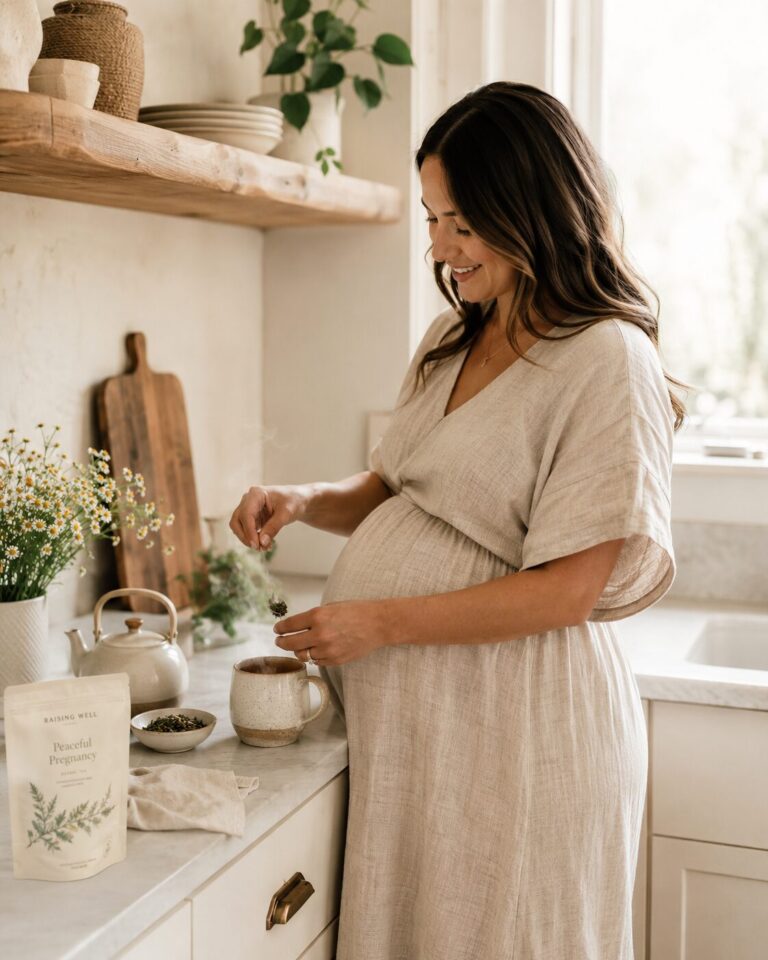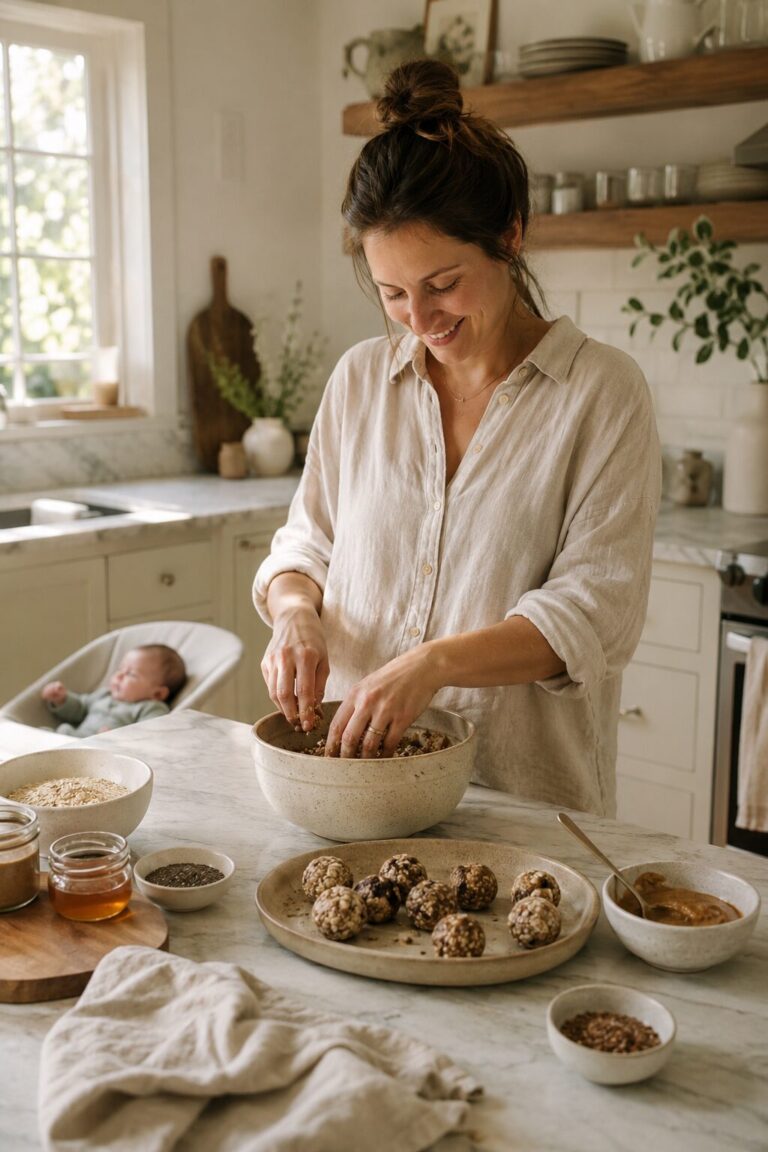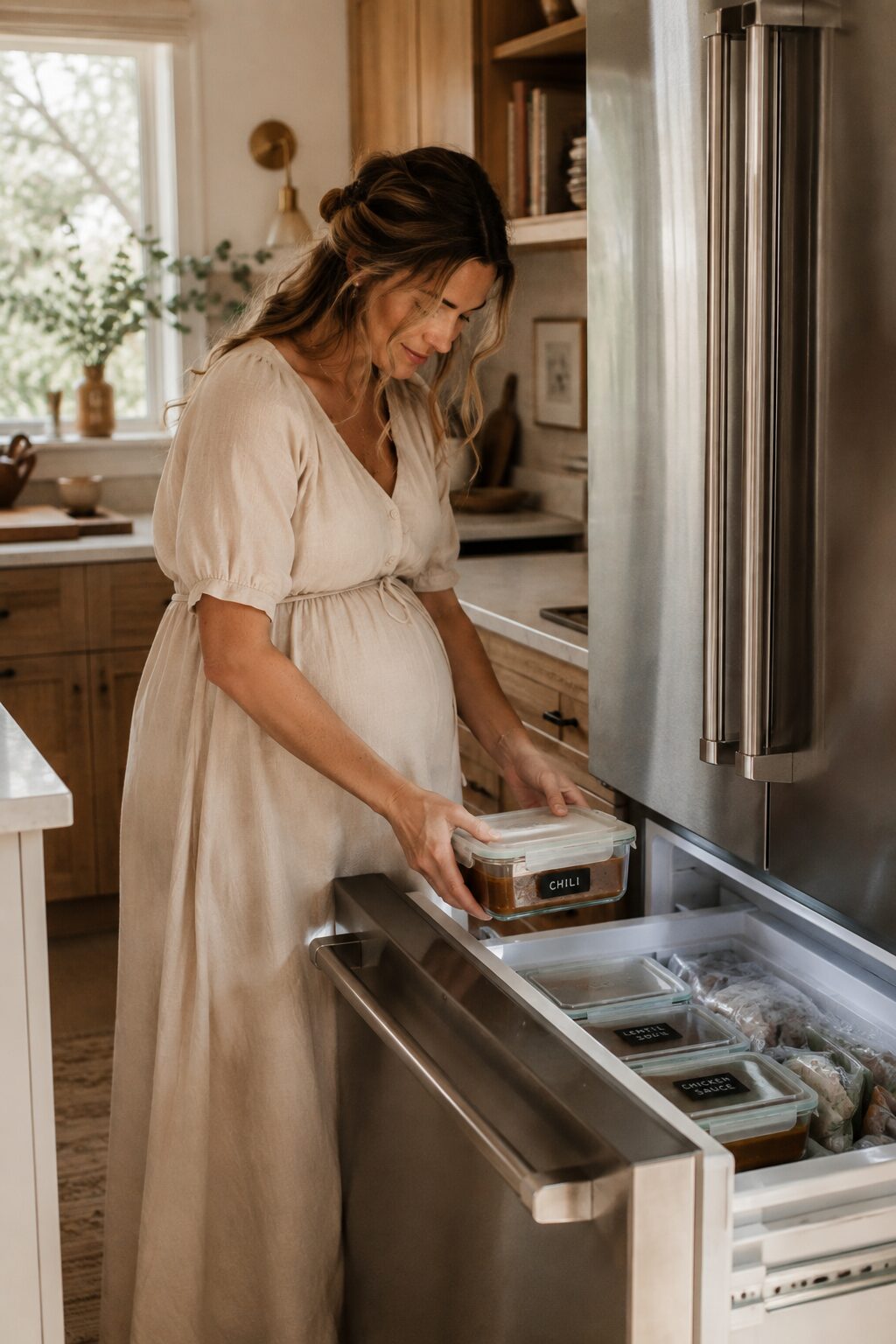
By the third trimester, most moms hit a point where nesting stops being about paint colors and starts being about the freezer. Stocking it full of real food is one of the most practical things a mom can do before the baby arrives, and postpartum meal prep has become one of those quiet rituals experienced mothers pass down to first-time moms almost like a secret. It is not about elaborate cooking. It is about having something warm and nourishing ready to go on a night when getting dressed feels like a lot to ask.
The weeks right after birth, often called the fourth trimester, are about healing, feeding a newborn, and figuring out a completely new rhythm. The American College of Obstetricians and Gynecologists has pushed for postpartum care to be treated as an ongoing process rather than a single appointment, because so much happens in those early weeks that deserves real attention. Eating well during that stretch matters just as much as any follow-up visit, and it is a lot easier to eat well when the food is already made.
This guide walks through freezer-friendly recipes that hold up well after birth, how much postpartum meal prep actually makes sense for most households, and the handful of supplies that make the whole process simple instead of one more thing on the list.
How Much Postpartum Meal Prep You Actually Need
It is tempting to try to fill an entire chest freezer before the due date, but most moms do better aiming for something more modest and realistic. A good target is two to three weeks of dinners, plus a handful of breakfasts and snacks for the days that blur together. That usually means twelve to fifteen freezer meals, which sounds like a lot until it is broken into a few cooking sessions spread across the last two months of pregnancy rather than one exhausting weekend.
The easiest way to get there without a dedicated meal prep day is to simply double what is already being cooked. Making chili on a Tuesday takes about the same effort whether it feeds four or eight, and the second batch goes straight into the freezer in individual portions instead of the fridge. Portioning matters just as much as the cooking itself, since a single block of frozen soup is much harder to reheat quickly than a few pre-measured cups.
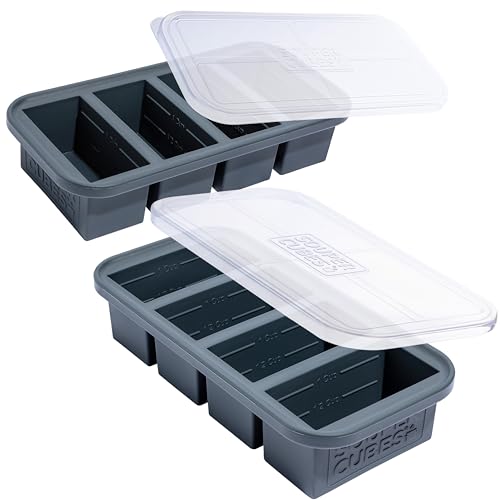
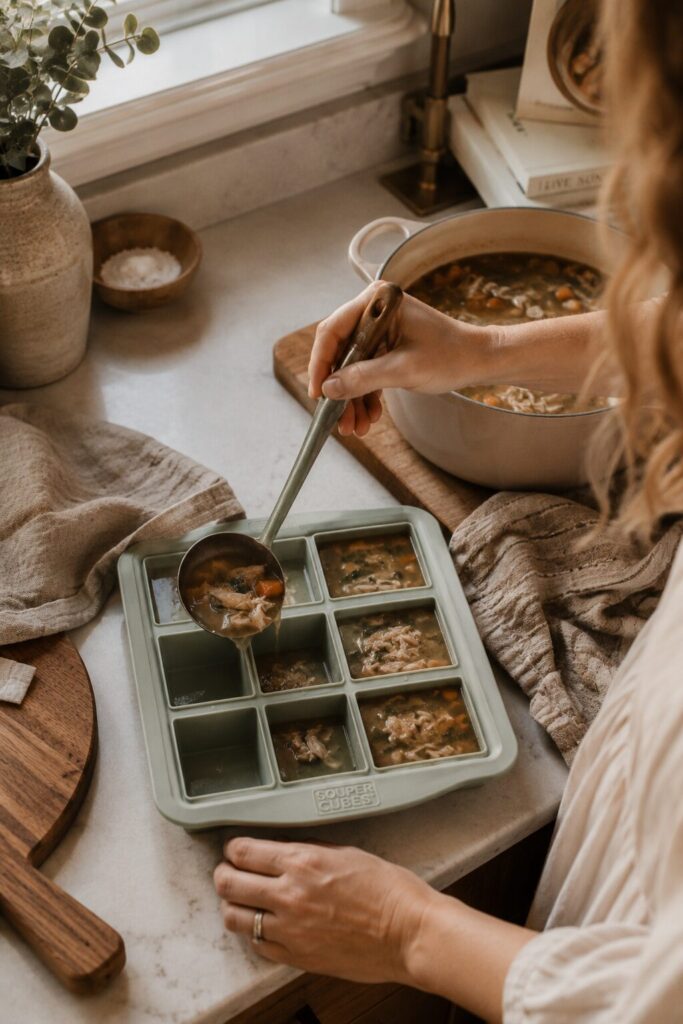
This is where a proper portioning tool earns its keep. The Souper Cubes silicone freezer tray makes it simple to freeze soups, sauces, and shredded meat in exact one-cup portions with a snap-on lid, so a single serving pops out for a quick lunch or several stack together for a family dinner. The fill lines take the guesswork out of portioning, which matters more than it sounds like it would when everyone in the house is running on very little sleep.
What to Look For When Stocking a Postpartum Freezer
Not every container is built for months in a deep freeze. Thin plastic tends to crack in the cold, take on stains and odors, and can leach into food during the temperature swings of freezing and reheating. Glass and silicone hold up far better over time, keep flavors from mixing between containers, and can usually go from freezer to oven or microwave without a second thought.
A set like the Urban Green glass food containers with silicone lids is a good foundation for a postpartum freezer stash. The lids seal tightly enough to prevent freezer burn, the glass does not absorb odors the way plastic can, and the containers stack neatly, which matters in a freezer that is also holding ice packs, breast milk, and whatever else new parenthood requires.

Uniform, stackable containers also make a real difference in how much a freezer can actually hold. For a full walkthrough on organizing the space before the meals go in, this guide on how to organize a freezer covers zoning, labeling, and making the most of a standard chest or upright freezer.
Freezer-Friendly Recipes for Postpartum Recovery
These recipes were chosen because they freeze and reheat well, use ingredients that support recovery, and do not require much hands-on effort once they come out of the freezer. Each one can be doubled easily during a normal week of cooking.
Slow Simmered Chicken and White Bean Soup
Simmer shredded chicken thighs with white beans, carrots, celery, and a good chicken stock, seasoned simply with garlic, thyme, and a bay leaf. Let it cool completely before portioning, since soup that goes into the freezer still warm tends to form ice crystals that change the texture once it thaws.
A soup like this is really the whole reason a portioning tray earns its spot in a freezer. Ladling it into the Souper Cubes silicone freezer tray mentioned above freezes it flat in exact one-cup portions, so a single serving pops out for a quick lunch or a few stack together for a full dinner. Popped-out portions also thaw faster in a bowl of warm water than a solid block ever would, which matters on a night when there is no time to wait around for dinner to defrost.
Turkey and Spinach Meatballs with Marinara
Meatballs are one of the most freezer-friendly proteins there is. Mix ground turkey with finely chopped spinach, breadcrumbs, egg, and Italian seasoning, bake until just cooked through, and let them cool on the tray before freezing so they do not clump together. A jar of good marinara or a homemade batch rounds it out into a full meal over pasta, rice, or on their own with crusty bread.
Freeze the meatballs in a single layer first, then transfer to a container once solid, so a handful can be pulled out at a time rather than defrosting the whole batch. This one is easy to eat one-handed, which matters more than almost anything else in the first few weeks.
Lentil and Sweet Potato Stew
A fully plant-based option that still delivers plenty of iron and fiber, this stew simmers red lentils, cubed sweet potato, onion, and warm spices like cumin and coriander into something thick and comforting. It freezes and reheats with almost no change in texture, which is not something every soup can claim.
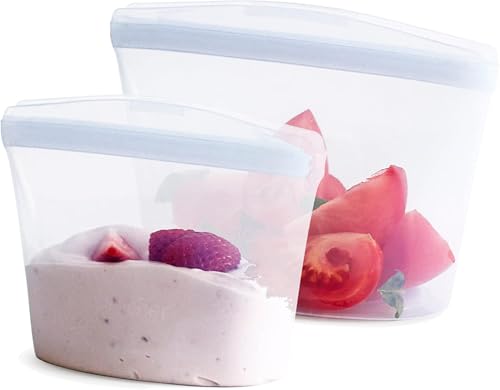
For stews with less liquid to expand, portioning into rigid, freezer-safe bowls keeps servings tidy without much risk of leaks. Stasher reusable silicone bowls, in the one-cup and two-cup sizes, cover a single lunch portion or a heartier dinner serving, and the snap-tight lid means a full bowl can go straight into a bag or tote without worrying about spills along the way.
Freezer Breakfast Burritos
Mornings with a newborn rarely leave room for actual cooking, so having breakfast already handled is worth the effort ahead of time. Scramble eggs with black beans, sauteed peppers, and a little cheese, roll everything into whole wheat tortillas, and wrap individually in parchment or wax paper before freezing. A frozen burrito reheats in a few minutes in the microwave and holds up well enough to eat one-handed while nursing or bouncing a fussy baby.
Freezing them in a single layer first, then transferring to a bag once solid, keeps the burritos from sticking together, so a single one can be pulled out without defrosting the whole batch.
Make-Ahead Lasagna
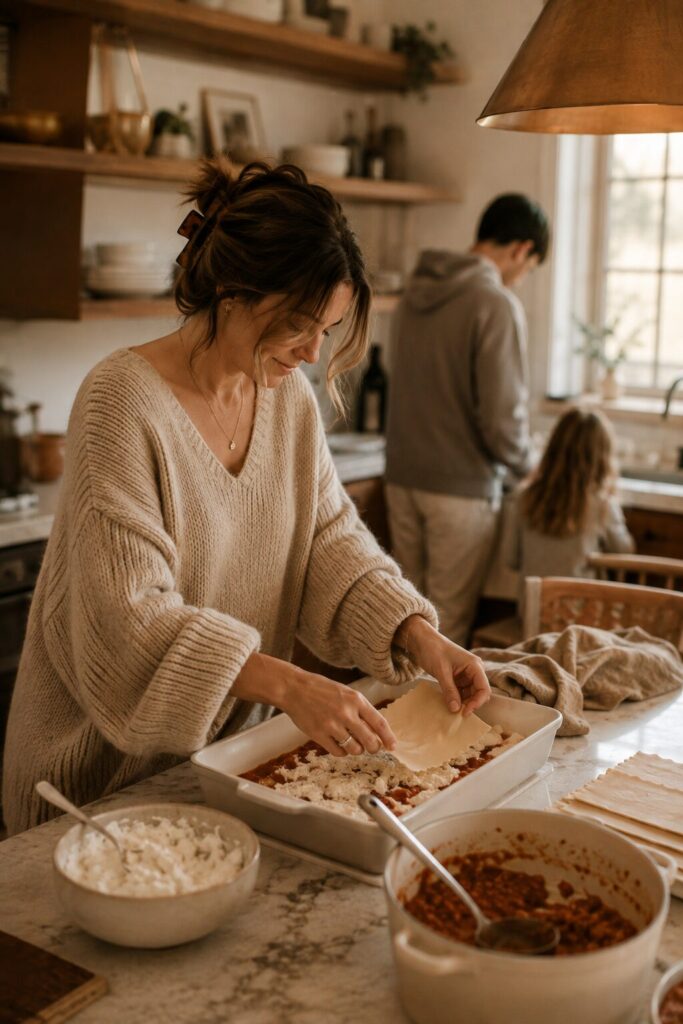
This one is built to be flexible. Lean ground turkey or ground beef both work well here, so it comes down to whatever is already on hand or preferred. Layer no-boil noodles with the browned meat and marinara sauce, ricotta, and mozzarella, and assemble the whole thing directly in the dish it will bake in later, rather than transferring it after the fact.
A flexible silicone baking dish with handles makes this especially easy, since the sides give slightly for cleaner slicing once it is baked and the handles make it simple to move in and out of the freezer without searching for oven mitts first. The Sunsetbaby silicone baking dish goes straight from the freezer into the oven, and food-grade silicone will not pick up odors from other freezer meals stored nearby the way some containers can.
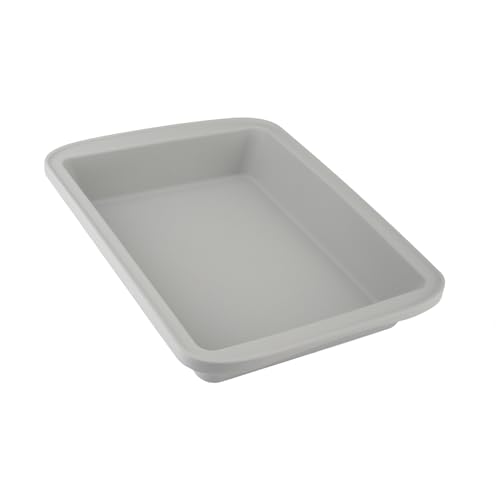
Before the lasagna goes into the freezer, stretching a reusable silicone lid over the top adds an airtight seal without reaching for foil or plastic wrap. It stretches to fit the dish snugly, keeps the lasagna from drying out while it waits, and comes off cleanly whenever it is time to bake.
Vacuum Sealing for Bigger Batches
Freezer bags and glass containers work well for individual meals, but a big batch of ground meat, shredded chicken, or homemade stock calls for a different approach. Vacuum sealing removes the air that causes freezer burn in the first place, which means a batch of soup base or browned ground meat can go from three months of good quality in the freezer to closer to a year without any real change in flavor or texture.
An automatic vacuum sealer makes this simple rather than fussy. It seals shut with the push of one button, and separate dry and moist settings mean it handles everything from raw ground turkey to a fully cooked pot of chili without pulling liquid into the machine.
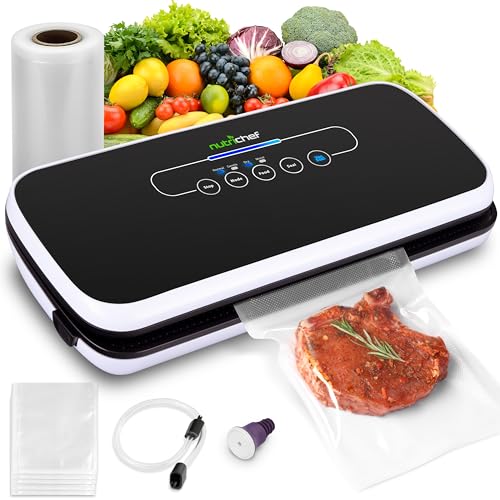
Precut, BPA-free vacuum sealer bags pair well with a sealer like this, since there is no cutting or measuring involved before sealing. A few different sizes cover everything from a single pound of ground meat to a large batch of soup base, and the sealed bags lay flat in the freezer the same way reusable silicone bags do, which keeps a chest freezer organized instead of stacked into a puzzle.

Assortment Trays for Mix-and-Match Meals
Not every night calls for a single frozen entree. Some of the easiest postpartum dinners come from a protein, a vegetable, and a side portioned separately, so whoever is reheating dinner can put together a full plate without committing to one whole frozen dish at a time.
A silicone baking set with lids is built for exactly this kind of mix-and-match freezer stash. A tray of shredded chicken or browned ground turkey, a tray of roasted vegetables, and a tray of rice or mashed sweet potato can all go into the freezer at once, then get pulled out in whatever combination sounds good that night. Each tray comes with its own lid, so there is no searching for a matching cover or losing one to the back of a drawer, and the matte finish releases food cleanly without needing much more than a quick run under warm water.

A Home Base for Everything Else in the Freezer
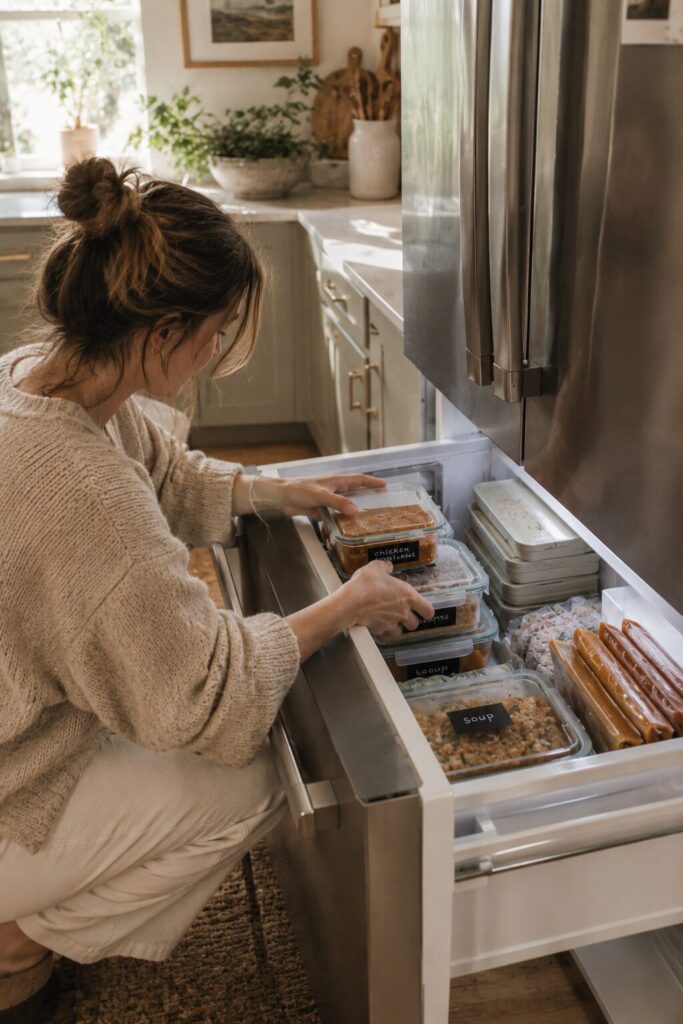
With soup, stew, meatballs, and lasagna all going into the freezer at different times, having one reliable set of containers for whatever needs a home that week keeps the whole system from turning into a mismatched collection of lids that no longer fit their bases.
Freezer-safe glass containers in a range of sizes cover that gap well, since the same set can hold a portion of lentil stew one week and leftover lasagna the next without ever needing a second type of container. Glass also means nothing here needs to be babied. It goes from the freezer to the microwave to the dishwasher without a second thought, and stays clear enough to see exactly what is inside without pulling everything out and guessing.

Labeling, Portioning, and Reheating Tips
Every freezer meal system falls apart at the same point: forgetting what is actually in the container. A soup that all looks the same through frosted glass a month later is not helpful to anyone standing in the kitchen at ten at night.
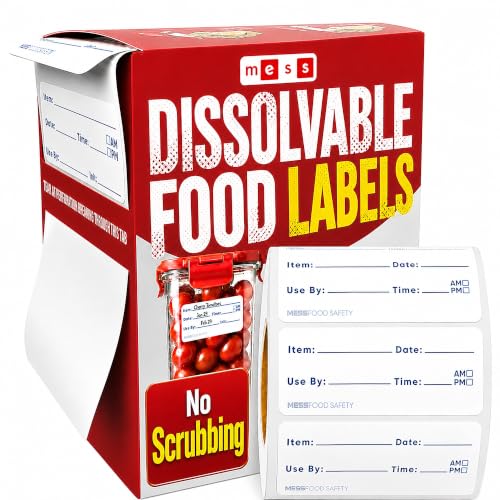
Dissolvable paper labels solve this without leaving sticky residue behind or requiring a special marker. MESS dissolvable food labels write on easily with a regular pen, hold up fine in a deep freeze, and rinse off completely under warm water when a container gets reused. Writing the meal name and the date it was made takes fifteen seconds and saves a lot of guesswork later.
A simple rotation system helps too. Newest meals go toward the back of the freezer, and anything within a week or two of the six-month mark moves to the front so it gets used first. Most fully cooked soups, stews, and casseroles hold their quality well for three to four months in the freezer, and longer than that they are still safe to eat, just slightly less vibrant in flavor and texture.
Making the Fourth Trimester a Little Easier
Postpartum meal prep is not about being perfectly prepared for every possible scenario. It is about giving a future, very tired version of a mother one less decision to make on a hard day. A freezer stocked with a few solid recipes and the right containers means dinner is already handled, which leaves more room for everything else those early weeks ask of a new mom, from long feeding sessions to the kind of days spent curled up in a postpartum lounge set that actually makes rest feel possible.
A few good freezer meal supplies are also not a one-time investment. Glass containers, silicone trays, and reusable bags keep earning their spot in the kitchen well past the newborn stage, ready for the next busy season whenever it comes.

Frequently Asked Questions
How many freezer meals should I make before the baby comes?
Twelve to fifteen dinners is a realistic and genuinely useful amount for most households, which covers roughly two to three weeks. Spreading the cooking across several sessions in the last two months of pregnancy is much more manageable than trying to prep everything in one weekend.
What foods freeze well for postpartum meals?
Soups, stews, chili, casseroles, meatballs, and breakfast burritos all freeze and reheat well. Dishes with a broth or sauce base tend to hold their texture better than anything with a lot of raw vegetables or delicate greens, which can turn watery after thawing.
Do I need special containers for freezer meal prep?
Not strictly, but glass and silicone hold up much better than thin plastic over weeks or months in the freezer. They resist cracking, do not absorb odors between meals, and most can go straight from the freezer into the oven or microwave without transferring to a different dish first.
How long do postpartum freezer meals last?
Most fully cooked soups, stews, and casseroles stay at their best quality for three to four months in the freezer. They remain safe to eat beyond that window, though flavor and texture may start to fade, so labeling with the date helps keep track of what to use first.
When should I start postpartum meal prep during pregnancy?
The last two months of pregnancy tend to work well for most moms, since energy and mobility are usually still manageable and there is enough time to spread the cooking out. Starting by simply doubling regular weeknight dinners and freezing the extra portion is an easy way to build up a stash without a dedicated prep day.
Disclosure: This post contains affiliate links. If you purchase through these links, I may earn a small commission at no extra cost to you. Thank you for supporting Raising Well!