
Most mornings with little ones do not leave much room for a ten-step wellness ritual. Breakfast is often a few bites of toast eaten standing at the counter, coffee goes cold twice before it gets finished, and the first real glass of water happens sometime around lunch. If digestion has felt off lately, between bloating, sluggishness, or just a general sense that things are not running smoothly, that rushed rhythm is usually part of the story.
The good news is that a gut health morning routine does not need to be complicated or expensive to make a difference. The habits that support digestion are simple ones: getting fluids in early, eating real fiber, adding something fermented, and giving the body a calmer start than an alarm blaring and a sprint to the kitchen. Small, steady habits tend to matter far more than any single trendy powder or tonic.
Below is a realistic morning routine for gut health that works around nap schedules, school drop-off, and the occasional night of broken sleep. Each step comes with a product pick or two that genuinely makes the habit easier to keep, along with honest notes on what is optional. If pregnant or breastfeeding, it is worth running any new supplement, tea, or wellness habit by an OB, midwife, or doctor first.
What a Good Gut Health Morning Routine Actually Needs
It helps to know what matters before buying anything. The gut microbiome, the community of bacteria and other microorganisms living mostly in the large intestine, responds to what it is fed every day. Diet plays a big role, and researchers increasingly point to two everyday foods as especially supportive: fiber and fermented foods. Harvard Health Publishing offers a helpful overview of why fiber and fermented foods matter for the gut, and it is a good read for anyone who wants the science without the hype.
With that in mind, a strong morning routine for gut health usually covers a few basics. Fluids come first, since most people wake up mildly dehydrated and fiber works best with enough water alongside it. Fiber from whole foods like seeds, oats, fruit, and whole grains feeds beneficial gut bacteria. Fermented foods such as plain yogurt, kefir, or sauerkraut add live cultures. And a calmer start to the day matters more than it might seem, since stress and rushed eating both have a way of showing up in digestion.
What a routine does not need: detox teas, juice cleanses, or anything that promises to “reset” the gut in a weekend. Products in this guide were chosen because they support those everyday basics, not because they promise a quick fix.
A Realistic Gut Health Morning Routine, Step by Step
This routine takes roughly 20 to 30 minutes of active time, and much of it can happen while kids eat breakfast or while the coffee brews. Think of it as a menu rather than a strict checklist. On harder mornings, even two or three of these steps are worth doing.

Step 1: Wake Up With Light Instead of a Jolt
The gut keeps time too. Digestion follows the body’s internal clock, and a consistent wake time with exposure to morning light helps keep that rhythm steady. Waking gently also tends to make it easier to slow down for the rest of the morning instead of starting the day in a scramble.
The Hatch Restore 3 Sunrise Alarm Clock is a sunrise alarm that brightens gradually before wake time, so the room fills with warm light instead of a buzzing phone. It doubles as a sound machine and reading light at night, and its fabric-wrapped design looks more like a bedside lamp than a gadget. One honest note: Hatch offers an optional paid subscription for extra sounds and content, but the sunrise alarm and core features work without it. For parents already up before dawn with a baby, the bigger win may be the wind-down routine at night, since better sleep supports better digestion too.

- 𝗛𝗮𝘁𝗰𝗵+ 𝗦𝘂𝗯𝘀𝗰𝗿𝗶𝗽𝘁𝗶𝗼𝗻: 𝖯𝗎𝗋𝖼𝗁𝖺𝗌𝖾 𝗂𝗇𝖼𝗅𝗎𝖽𝖾𝗌 𝟥𝟢-𝖽𝖺𝗒 𝖿𝗋𝖾𝖾 𝗍𝗋𝗂𝖺𝗅 𝗈𝖿 𝖧𝖺𝗍𝖼𝗁+ 𝗉𝗋𝖾𝗆𝗂𝗎𝗆 𝖼𝗈𝗇𝗍𝖾𝗇𝗍 𝖺𝗇𝖽 𝖿𝖾𝖺𝗍𝗎𝗋𝖾𝗌, 𝖿𝗈𝗋 𝗇𝖾𝗐 𝗌𝗎𝖻𝗌𝖼𝗋𝗂𝖻𝖾𝗋𝗌 𝗈𝗇𝗅𝗒. 𝖠𝖿𝗍𝖾𝗋 𝗍𝗋𝗂𝖺𝗅, 𝖧𝖺𝗍𝖼𝗁+ 𝗌𝗎𝖻𝗌𝖼𝗋𝗂𝗉𝗍𝗂𝗈𝗇 𝖼𝗈𝗌𝗍𝗌 $𝟧.𝟫𝟫/𝗆𝗈𝗇𝗍𝗁 𝗈𝗋 $𝟧𝟫.𝟫𝟫/𝗒𝖾𝖺𝗋. 𝖢𝖺𝗇𝖼𝖾𝗅 𝖺𝗇𝗒𝗍𝗂𝗆𝖾.

Step 2: Drink Something Warm Before Coffee
Before reaching for coffee, try a tall glass of water or a mug of warm water with a squeeze of lemon. Warm liquids first thing can feel gentler on an empty stomach, and getting fluids in early makes the fiber later in the morning work better. It is also an easy habit to stack: fill the kettle, then drink while it heats for coffee or tea.
The Fellow Stagg EKG Pro Electric Kettle makes this ritual feel a little more special. It heats to an exact temperature and can hold it for a while, which is handy when a toddler interrupts halfway through pouring. The kettle body and lid are stainless steel, so water does not sit in plastic, though the base that houses the electronics is plastic. It is an investment, but it is one of those kitchen pieces that gets used several times a day for years.

- STAGG EKG ELECTRIC KETTLE: Simple aesthetic meets powerful design. A gooseneck kettle that pours as good as it looks. It’s made from quality 304 stainless steel with a minimalist base to save space and a 0.9-liter capacity.
The INTASTING Gooseneck Electric Kettle is another well-reviewed gooseneck option with many of the same features: precise temperature control, a keep-warm setting, and a built-in brew timer, plus a fine spout for a slow, steady pour. According to the brand, the interior is stainless steel. INTASTING is a smaller brand than Fellow, so it is worth reading recent reviews before ordering, but it has built a loyal following among tea and pour-over coffee drinkers. Choosing between the two mostly comes down to which design feels right on the counter.

- ±1℉ Precise Temperature Control - The intelligent base of this gooseneck electric kettle auto-adjusts heating power to reach your selected temperature. From pour-over coffee at 205°F to green tea at 176°F, enjoy barista-quality flavor with every brew.
Step 3: Sip a Cup of Ginger Tea
Ginger has a long history as a digestive comfort food, and a warm cup in the morning is a gentle way to ease into the day, especially for anyone prone to an unsettled stomach. It also makes a nice caffeine-free swap on days when a second cup of coffee is tempting.
Traditional Medicinals Organic Ginger Tea is a simple, well-loved option made with organic ginger and nothing else. According to the brand, the tea is certified organic, Non-GMO Project Verified, and caffeine free. It has a pleasantly spicy, warming taste and steeps best covered for several minutes. Ginger is commonly used during pregnancy for occasional nausea, but anyone pregnant, nursing, or taking blood thinners should check with their provider about how much is right for them.

- Promotes healthy digestion and prevents nausea due to motion.

Step 4: Build a Fiber-Forward Breakfast
If there is one step to prioritize in a gut health morning routine, this is it. Most adults eat well below the recommended amount of fiber each day, and breakfast is one of the easiest places to close that gap. Overnight chia pudding or overnight oats are ideal for busy mornings because they are made the night before and ready to grab.
Viva Naturals Organic Chia Seeds are an easy pantry staple to start with. A couple of tablespoons stirred into milk or yogurt thickens overnight into a pudding, and they add fiber along with plant-based omega-3s. The brand notes they are USDA Organic and Non-GMO Project Verified, and the larger bag lasts a long time.
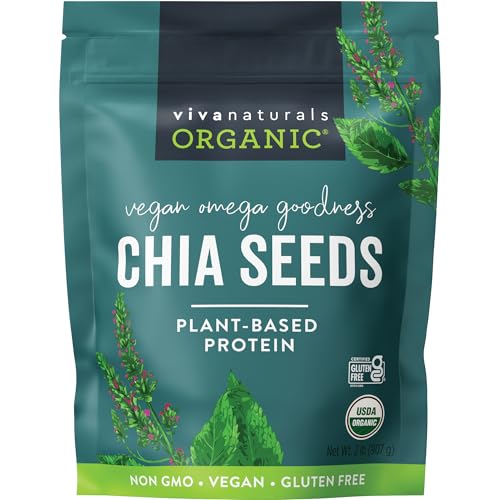
- PLANT-BASED OMEGAS-3 — Omega fatty acids are essential fatty acids, and luckily chia seeds organic contain omega-3s. Incorporate them into almost any diet or lifestyle to help meet your nutritional needs.
Bob’s Red Mill Organic Golden Flaxseed Meal pairs well with chia and has a mild, nutty taste that disappears into oatmeal, smoothies, or yogurt. Flaxseed meal, which is already ground, is easier for the body to use than whole flaxseeds, which tend to pass through undigested. Storing the bag in the fridge after opening keeps it fresh longer. Whether using chia, flax, or both, add them gradually and drink plenty of water, since a sudden jump in fiber can cause the very bloating this routine is meant to ease.

- ONE SIMPLE INGREDIENT, DELICIOUS POSSIBILITIES: Add the mild, nutty flavor and superior nutrition of organic ground flaxseed to hot cereal or yogurt, smoothies, baked goods and more; replace up to 25% of the flour in pancakes, muffins, cookies and more with Organic Golden Flaxseed Meal for extra nutrition and flavor
Glass jars make overnight breakfasts feel like something to look forward to instead of another chore. Weck 742 Mold Jars have a wide mouth that makes them easy to fill, eat from, and wash, and their simple glass shape looks lovely lined up in the fridge. They are dishwasher and microwave safe, and the glass means no plastic touching breakfast. A Sunday batch of three or four jars covers most of the week. For more ideas on prepping ahead, this guide to postpartum meal prep has plenty of make-ahead breakfasts that fit right into this routine.

- Includes Set of 2 Weck Canning Jars 742 - 1/2 Liters
Step 5: Add Something Fermented
Fermented foods bring live cultures into the diet, and they are easy to work into breakfast. A spoonful of plain yogurt or kefir on top of chia pudding, a small glass of kefir alongside eggs, or even a forkful of sauerkraut with a savory breakfast all count. Look for labels that say “live and active cultures,” and choose plain varieties when possible, since flavored yogurts can carry a surprising amount of added sugar.
Bonus for the ambitious: for families who go through a lot of yogurt, the Euro Cuisine Yogurt Maker with Glass Jars makes it easy to culture a batch at home with any milk and a simple starter. It comes with seven small glass jars with date-setting lids, so each portion is ready to grab, and homemade yogurt lets the sweetness and tang be adjusted to taste. This is truly optional. Store-bought plain yogurt works just as well for a gut health morning routine, but for some households, making it becomes a small, satisfying weekly ritual.
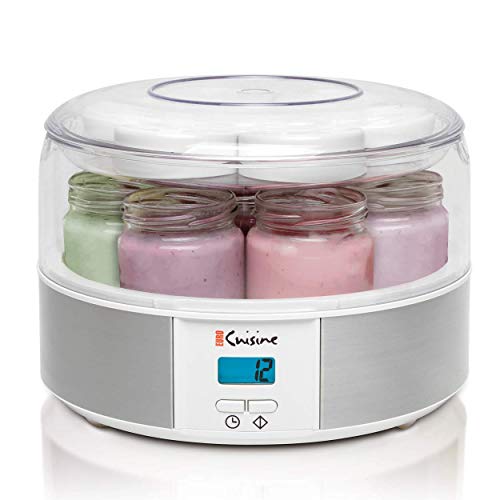
- CREATE NATURAL YOGURT ON YOUR OWN: This Euro Cuisine YMX650 Digital Automatic Yogurt Maker works on your counter-top to transform milk into regular yogurt in just a few hours. It includes 7 reusable 6 oz. glass jars with rotary date setting lids for hassle-free storage.

Step 6: Consider a Probiotic (Optional)
Food should come first, but some people like the added support of a daily probiotic, especially after a round of antibiotics or during a season when eating well feels nearly impossible. A probiotic is a supplement, not a requirement, and it is worth talking with a doctor before starting one, particularly during pregnancy or while breastfeeding.
Ritual Synbiotic+ is a thoughtfully made option for anyone who wants to try one. Ritual describes it as a 3-in-1 formula combining prebiotics, probiotics, and a postbiotic, and the brand states that its delayed-release capsule is designed to carry the probiotics past the stomach. The company also emphasizes ingredient traceability and third-party testing. It does not need refrigeration, which makes it easy to keep next to the coffee. Taking it at the same time each morning, like right after breakfast, helps make it a habit rather than another thing to remember.

- DAILY SUPPORT FOR GAS, BLOATING & REGULARITY*: Probiotics LGG and BB12 and prebiotics PreforPro help soothe digestive discomfort like gas, and bloating* Probiotics LGG and BB12 support healthy regularity.* Formulated with BB-12 to help ease constipation in women.* A daily probiotic: take one capsule every day.
Seed DS-01 Daily Synbiotic is the other probiotic worth considering, and the two are quite different. Where Ritual focuses on two well-studied strains in a single daily capsule, Seed takes a broader approach. The brand says DS-01 combines 24 probiotic strains with a plant-based prebiotic in a capsule-within-a-capsule design meant to protect the bacteria on their way through the digestive tract. The standard serving is two capsules a day, and Seed recommends starting with one capsule daily for the first few days, which is a good idea for anyone with a sensitive stomach. Like Ritual, it is shelf stable. There is no need to take both: pick the one whose approach and serving size fit best.

- 2-in-1 Formulation: DS-01 Daily Synbiotic is a 24-strain probiotic + prebiotic shown to improve regularity, reduce bloating, and alleviate gas in the largest clinical trial for a probiotic on bloating and gas in healthy adults at the time of publication.° 53.6B AFU.
Step 7: Stir in Colostrum (Optional)
Colostrum is the nutrient-dense first milk mammals produce after giving birth, and many new moms will recognize it from the early days of breastfeeding. Supplements use bovine colostrum, which comes from cows. It is naturally rich in antibodies (immunoglobulins), lactoferrin, and growth factors, and it has drawn interest for its potential role in supporting the gut lining.
The research is promising but still early. A 2024 meta-analysis of randomized trials found that bovine colostrum supplementation reduced intestinal permeability, sometimes called a “leaky gut,” in both athletes and patients. The authors also noted that more trials are needed to confirm the results, and much of the research so far has focused on athletes during intense training. So colostrum is best seen as a possible extra, not a must.
For anyone curious, ARMRA Colostrum is one of the most popular options. It is an unflavored powder that dissolves into water, a smoothie, or even that first warm drink of the day, and many people take it on an empty stomach first thing in the morning, which makes it easy to pair with Step 2. According to ARMRA, its colostrum comes from grass-fed cows on U.S. family farms and is third-party tested. It is a dairy product, so it is not a fit for anyone with a milk allergy. Research on colostrum supplements during pregnancy and breastfeeding is limited, so this is one to check with a doctor or midwife about first.

- PREMIUM BOVINE COLOSTRUM CONCENTRATE: ARMRA Colostrum is the premium bovine colostrum concentrate teeming with 400+ bioactive nutrients that work at the cellular level paving the way for whole body health and vitality.
Step 8: Move a Little, Then Slow Down to Eat
Gentle movement helps keep digestion moving, and it does not need to be a workout. A ten-minute stroller walk around the block, some stretching on the living room floor while kids play, or a few minutes of dancing in the kitchen all count. Then, as often as possible, sit down to eat. Eating while rushing, scrolling, or standing tends to mean eating fast and chewing less, and digestion starts in the mouth. Even five quiet minutes at the table can make a difference in how breakfast settles.
How to Keep a Morning Routine for Gut Health Going on Hard Days
Some mornings will go sideways, and that is fine. The goal is consistency over perfection. On the hardest days, a “minimum version” of this routine might simply be a glass of water, a jar of overnight chia pudding pulled from the fridge, and a spoonful of yogurt on top. That alone covers fluids, fiber, and fermented food.
A few things help these habits stick. Prep the night before whenever possible, since tomorrow morning will always be busier than tonight. Keep the kettle, tea, and jars in one spot on the counter so the routine is visible. And remember that gut health is built over the whole day, not just the morning. Fiber-rich snacks between meals help too, and this roundup of nourishing postpartum snacks is full of easy ideas that work well for any busy season of motherhood.
It also helps to pay attention to how the body responds. If something like flax or a new probiotic causes discomfort, scale back and go slower. And if digestive symptoms are persistent or painful, that is a reason to see a doctor rather than try another product.
Final Thoughts
A gut health morning routine does not have to look like an influencer’s countertop to work. Waking a little more gently, drinking water before coffee, eating real fiber, and adding something fermented are simple habits that add up over time. The products here are meant to make those habits easier and more enjoyable, not to replace them. Start with one or two steps that feel doable, give them a few weeks, and build from there. A calmer, steadier morning tends to be good for more than just digestion.
Frequently Asked Questions
What should a gut health morning routine include?
A simple gut health morning routine includes getting fluids in soon after waking, eating a fiber-rich breakfast such as chia pudding or oatmeal, adding a fermented food like plain yogurt or kefir, and starting the day at a calmer pace. Gentle movement, like a short walk, can also help keep digestion moving.
Does colostrum help with gut health?
Early research is encouraging. A 2024 meta-analysis of randomized trials found that bovine colostrum reduced intestinal permeability in athletes and patients, though the researchers noted more studies are needed. Colostrum is a dairy product, so it is not suitable for people with a milk allergy, and pregnant or breastfeeding moms should check with a doctor before trying it.
Do I need to take a probiotic for good gut health?
Not necessarily. Fiber-rich foods and fermented foods support the gut microbiome on their own, and many people do well without a supplement. A probiotic can be a helpful addition for some, but it is best to talk with a doctor before starting one, especially during pregnancy or while breastfeeding.
How long does it take to notice a difference from a gut health routine?
It varies from person to person. Some people notice changes in regularity or bloating within a couple of weeks of eating more fiber and drinking more water, while other changes take longer. Consistency matters more than speed, so it helps to give new habits several weeks before judging them.
Are chia seeds and flaxseed safe during pregnancy and breastfeeding?
Chia seeds and ground flaxseed are common foods, but it is still a good idea for pregnant or breastfeeding moms to check with an OB, midwife, or doctor before adding new foods or supplements in larger amounts. Whatever the stage of life, it helps to add fiber gradually and drink plenty of water alongside it.
Disclosure: This post contains affiliate links. If you purchase through these links, I may earn a small commission at no extra cost to you. Thank you for supporting Raising Well!