When you’re preparing for a baby, the advice comes fast and the product lists are long. But very few people talk about what’s actually in those products — and for a newborn with thin, permeable skin and a developing immune system, that matters more than most parents realize.
The skin is the body’s largest organ, and babies absorb far more through it than adults do. Products applied to baby’s skin, used to wash their clothes, or present in their environment can introduce chemicals that have no business being in a small body still figuring out how to function. The goal of going non-toxic isn’t to be anxious about every label — it’s to make simple, intentional choices that reduce unnecessary exposure over time.
This guide covers every major category of non-toxic baby products: what to look for, what to avoid, and which specific product types have the most impact. Each section links to dedicated deep-dive posts where you’ll find fully vetted product roundups with our top picks. Think of this as your starting point — the map that helps you navigate everything else.
Explore more across our non-toxic living category and our wellness guides for new moms as you build out your safer home.
Why Non-Toxic Baby Products Matter
The United States has significantly less restrictive ingredient regulation for personal care and household products than most other developed countries. Many ingredients banned in the EU are still legally permitted here. This means the responsibility largely falls on parents to read labels and research what’s actually in the products they bring home.
For babies specifically, the concern is amplified by a few biological realities. Newborn skin is about 30% thinner than adult skin, making it far more permeable. Their kidneys and liver — the organs responsible for processing and eliminating toxins — are still maturing. Their neurological systems are in critical development windows. And pound for pound, they take in more air, food, and environmental exposure relative to their body size.
None of this is cause for panic. But it is cause for intention. Choosing non-toxic baby products is less about eliminating all risk and more about reducing the cumulative load of unnecessary chemical exposure during a period when it matters most.
The Environmental Working Group maintains one of the most reliable free databases for evaluating cleaning and personal care products. When you see EWG Verified on a product label, it means every ingredient has been independently reviewed against their strictest health and safety standards. It’s the easiest third-party shortcut when you don’t have time to research every ingredient yourself.
Ingredients to Avoid in Baby Products
Before getting into category-by-category recommendations, it helps to know the ingredients that show up most often in baby products and are worth avoiding. You don’t need to memorize all of them — but recognizing the main offenders makes label-reading much faster.
Synthetic fragrances are listed simply as “fragrance” or “parfum” on labels and are one of the most common sources of hidden chemicals in baby products. A single fragrance ingredient can contain dozens of undisclosed compounds, some of which are linked to hormone disruption, skin sensitization, and respiratory irritation. Fragrance-free is always the safest choice for products used on or around newborns.
Parabens (look for methylparaben, propylparaben, butylparaben) are preservatives used widely in lotions, washes, and personal care products. They can mimic estrogen in the body and have been linked to hormonal disruption with long-term exposure. They’re easy to avoid — many clean brands have reformulated without them.
Optical brighteners are synthetic chemicals added to laundry detergents to make fabrics appear whiter. They work by converting UV light into visible blue-white light — an illusion of cleanliness. They’re not biodegradable, can cause skin irritation, and have no place in a baby’s laundry routine.
Sulfates (SLS and SLES) are foaming agents found in many shampoos, washes, and hand soaps. They strip natural oils and can disrupt the skin barrier — particularly problematic for babies with eczema-prone or sensitive skin. Plant-based surfactants like coco-glucoside are gentler and effective alternatives.
Additional ingredients to watch for include phthalates, phosphates, chlorine bleach, formaldehyde-releasing preservatives, and dyes. Most reputable non-toxic brands will explicitly list what they don’t include, which makes shopping significantly easier once you know what to look for.
Non-Toxic Baby Bath Products
Baby Shampoo and Wash

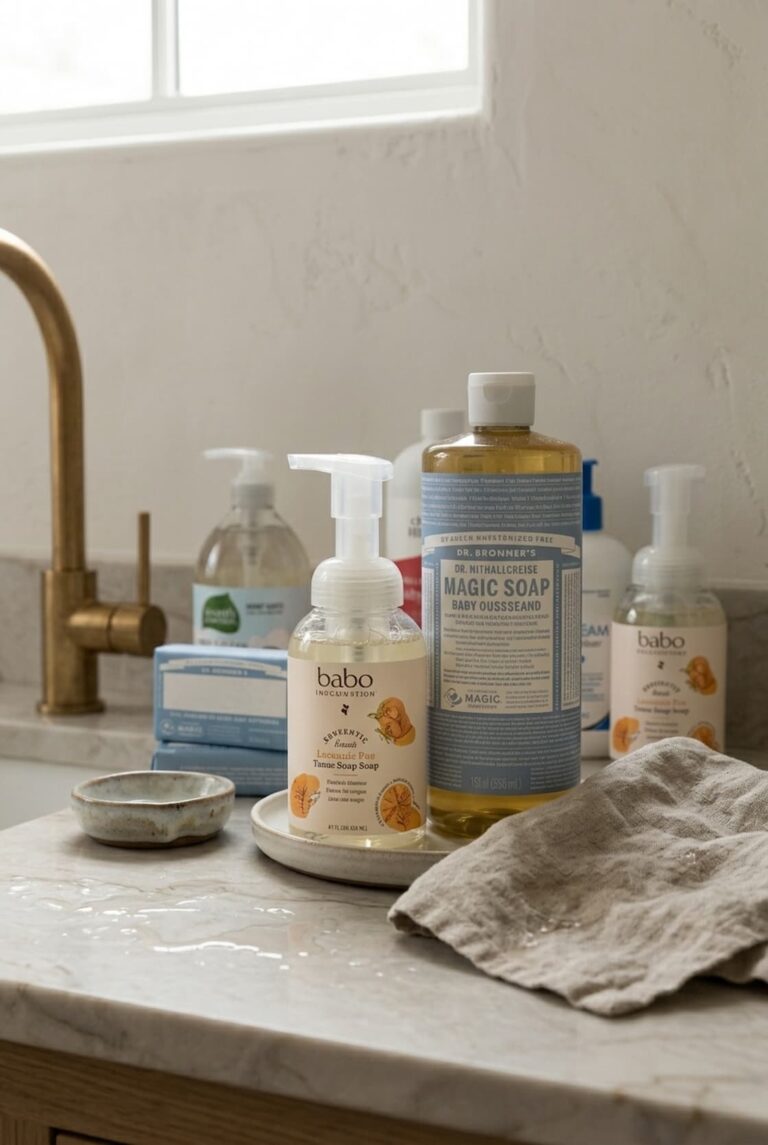
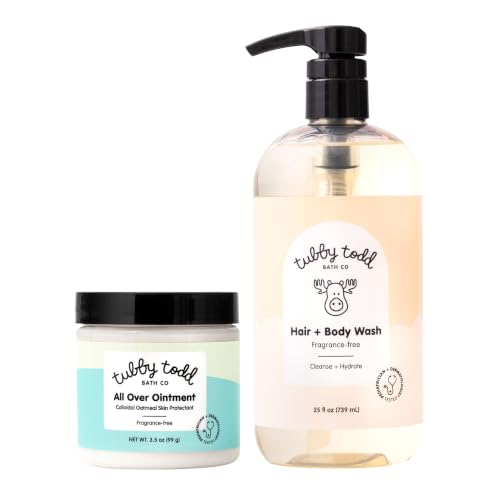
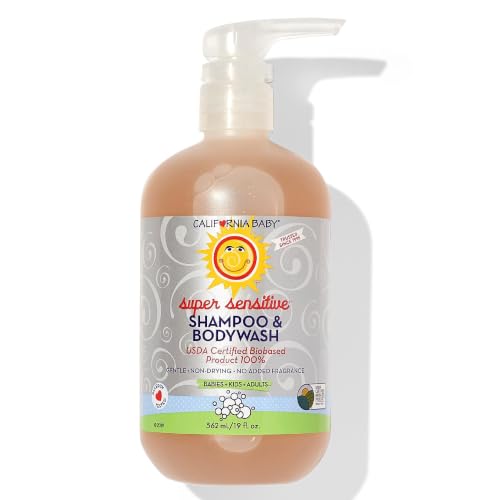
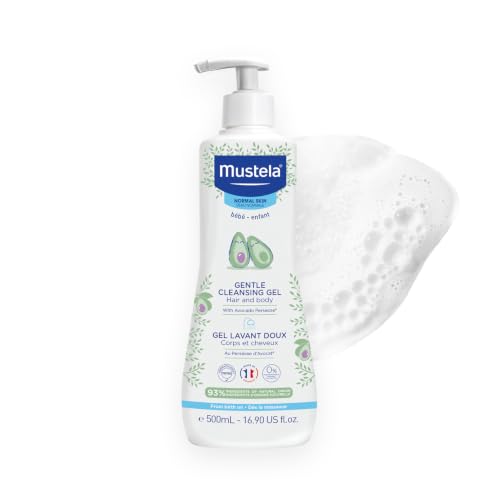
Bath time is daily, which means whatever you’re using on your baby’s skin and scalp gets applied 300+ times in their first year alone. A clean baby shampoo and body wash should be free of synthetic fragrance, sulfates, parabens, and dyes. Look for EWG Verified options or products with fully disclosed, plant-based ingredient lists. The best formulas use gentle surfactants derived from coconut or other plant sources and are tested for pH balance appropriate for delicate skin.
For a full breakdown, check out our post here: The Best Non-Toxic Baby Wash and Shampoo



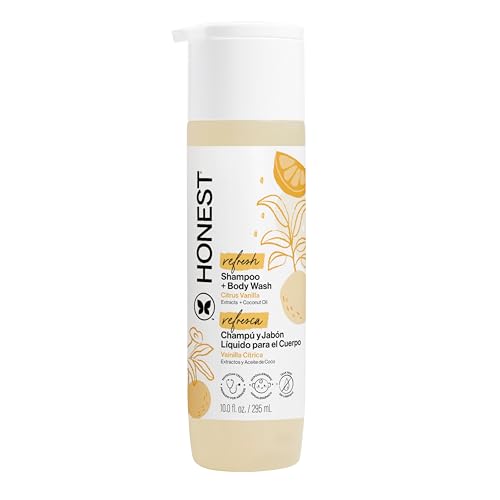


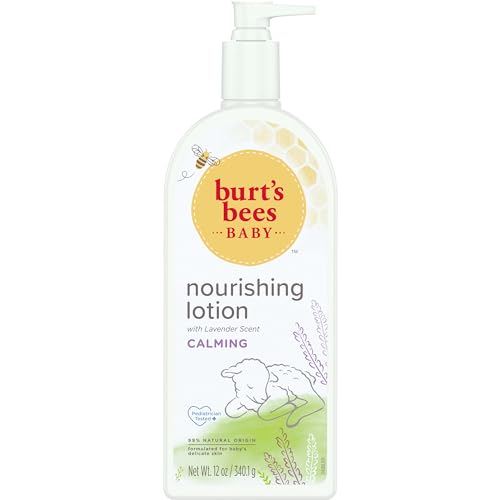
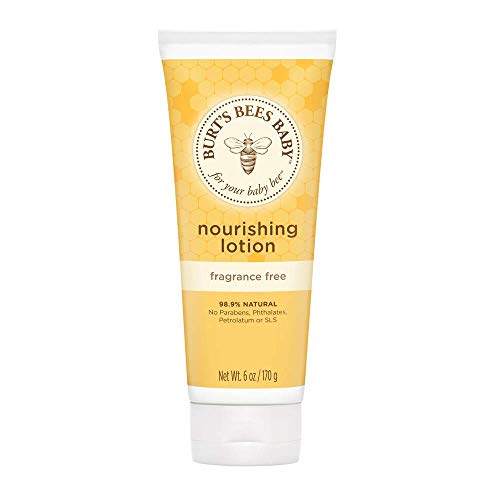
Baby Lotion

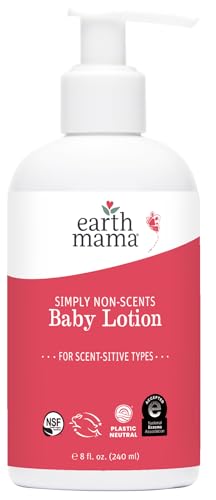
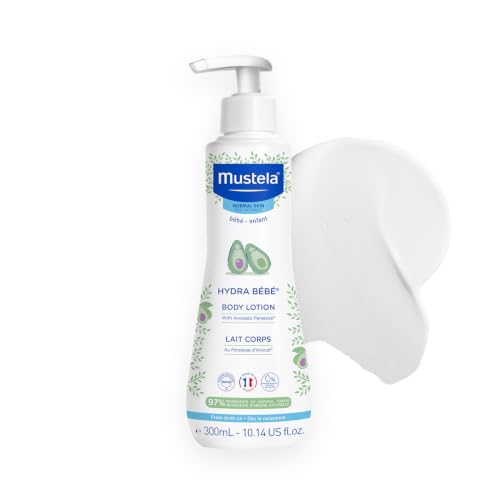
Newborn skin can be dry and flaky, especially in the early weeks, and reaching for lotion is a natural instinct. The problem is that most conventional baby lotions are loaded with fragrance, mineral oil, and synthetic preservatives that sit on the skin surface all day. Non-toxic baby lotions rely on plant-based emollients — shea butter, jojoba, coconut oil, or oat extract — to moisturize without introducing unnecessary chemicals. Fragrance-free and clinically tested for sensitive skin are the two most important criteria.
For a full breakdown, check out our post here: The Best Non-Toxic Baby Lotion


Baby Sunscreen

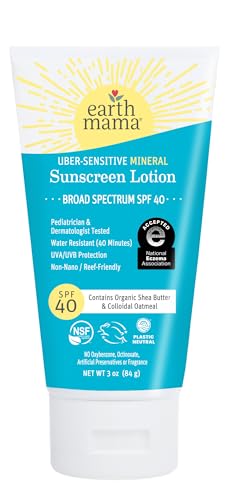
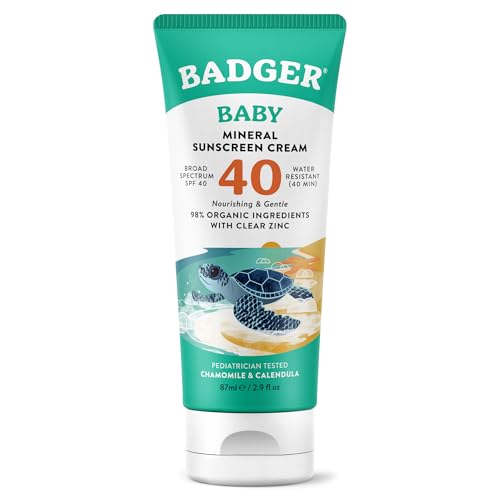
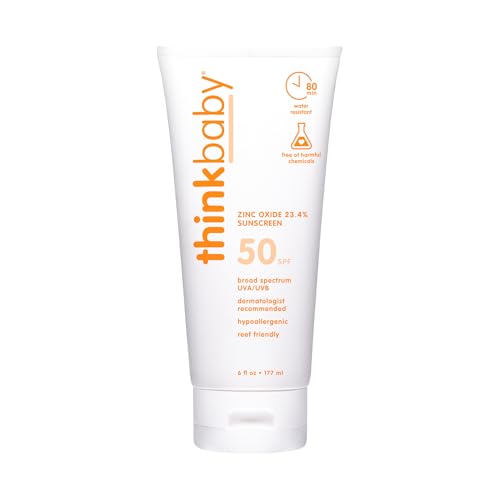
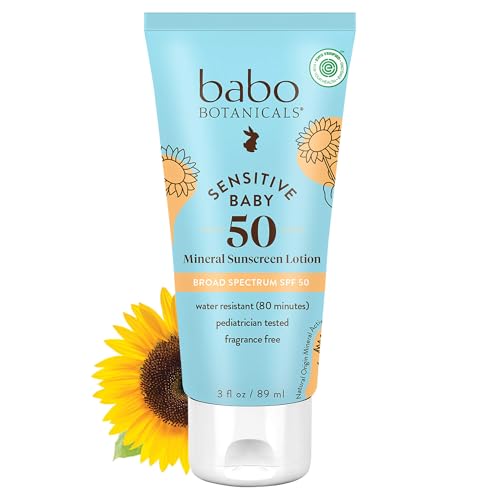
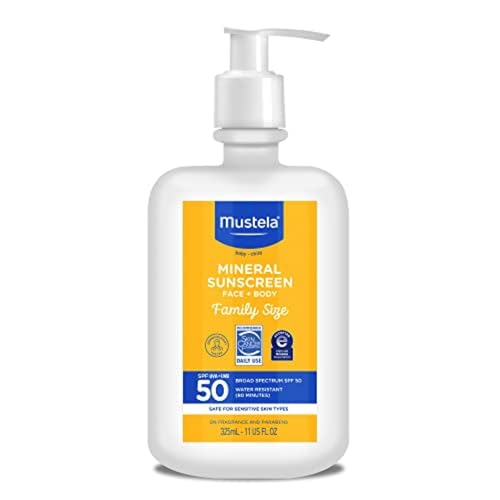
When your baby is old enough for sunscreen (AAP recommends avoiding it on babies under 6 months when possible and seeking shade instead), mineral sunscreen is the only route worth considering. Mineral sunscreens use zinc oxide or titanium dioxide to physically block UV rays — they sit on top of the skin rather than being absorbed into the bloodstream, unlike chemical UV filters like oxybenzone and avobenzone. For babies and toddlers, look for non-nano zinc oxide at 20% or higher, fragrance-free, and EWG Verified where possible.
For a full breakdown, check out our post here: The Best Non-Toxic Baby Sunscreen


Bug Spray
Conventional insect repellents rely on DEET, a highly effective but chemically intense active ingredient that raises legitimate questions about use on young children. DEET-free alternatives using picaridin or oil of lemon eucalyptus offer meaningful protection without the same concerns. For babies under 2 months, the CDC recommends avoiding repellents entirely and relying on protective clothing and timing instead. For older babies and toddlers, there are well-reviewed, cleaner options that work.
Non-Toxic Baby Laundry
Baby Laundry Detergent

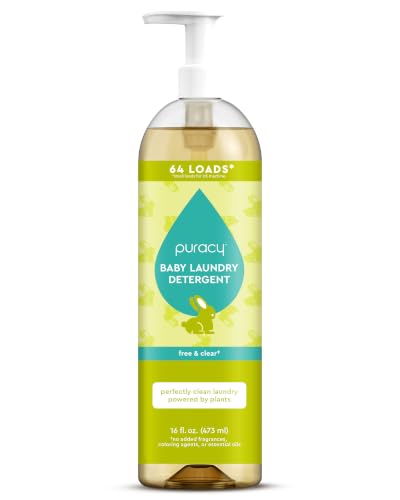
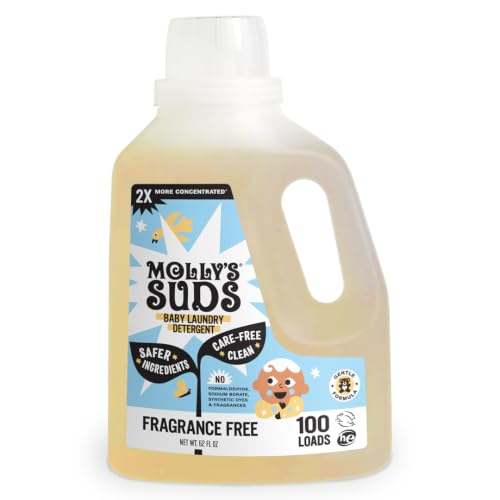
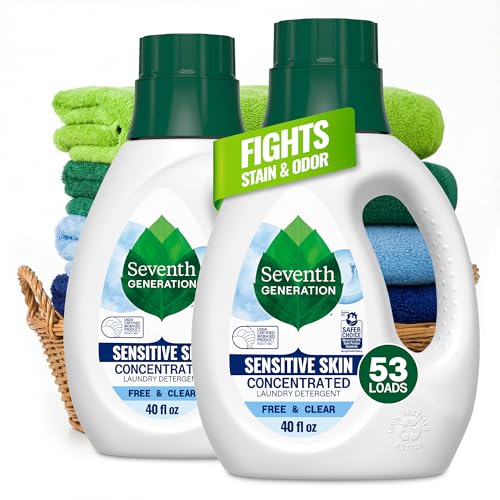
Baby clothes, swaddles, burp cloths, and crib sheets spend all day against your newborn’s skin — and they’re only as clean as what you wash them in. Mainstream detergents are full of optical brighteners, synthetic fragrances, and harsh surfactants that leave residue in fabric long after the wash cycle ends. A genuinely non-toxic baby laundry detergent will be EWG Verified or EPA Safer Choice certified, fragrance-free, free of dyes and phosphates, and plant-based in its surfactant system. The good news: several excellent options are available on Amazon and perform just as well as conventional brands.
For our full breakdown of the best-tested picks with detailed product notes, see our dedicated post:
The Best Non-Toxic Baby Laundry Detergent (Tested & Trusted Picks)


The Best Non-Toxic Diapers
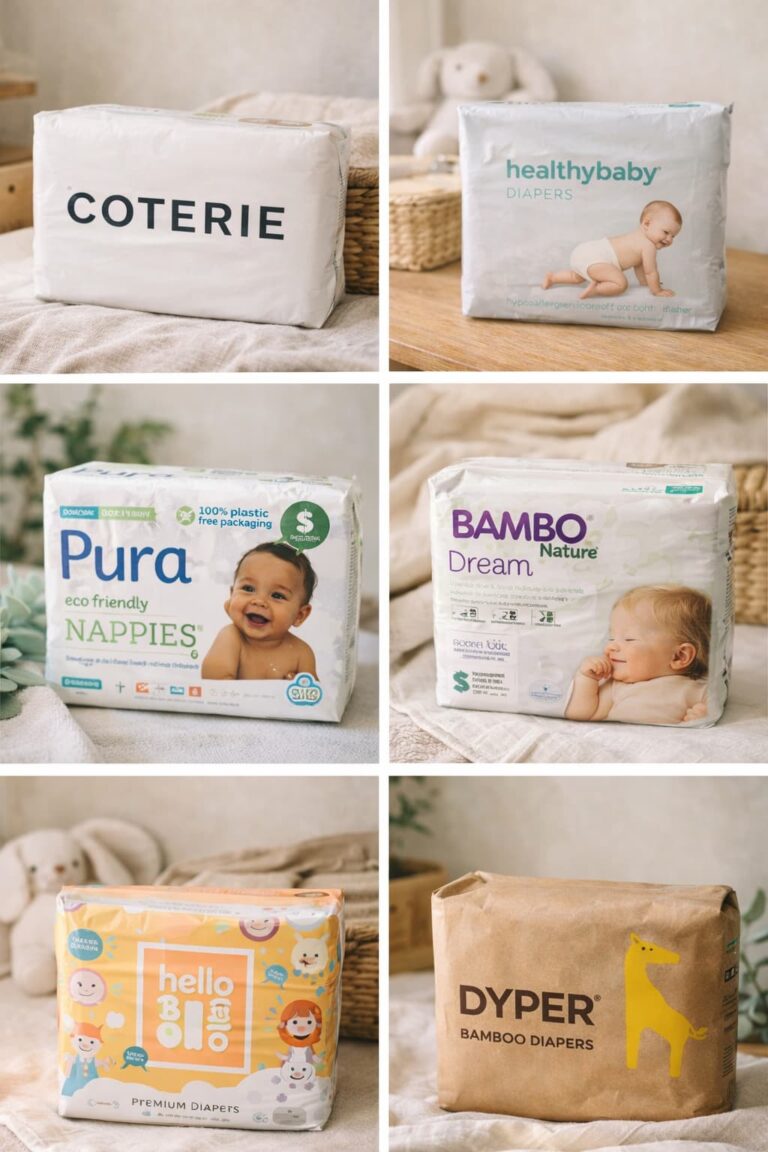
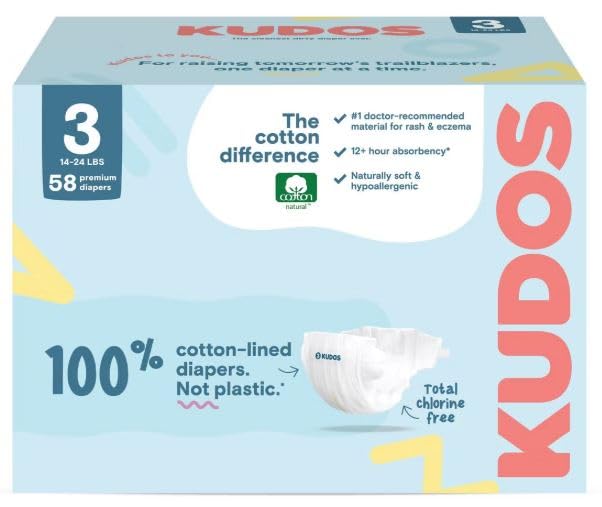
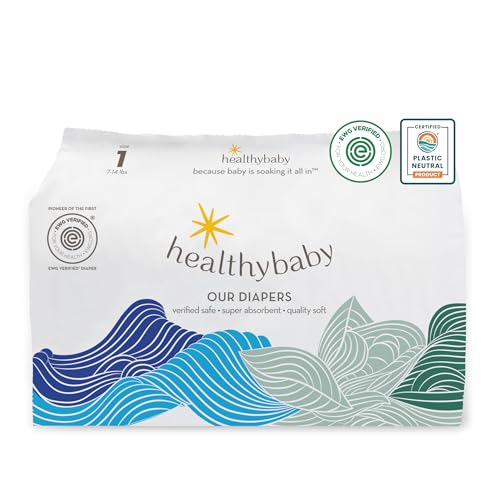
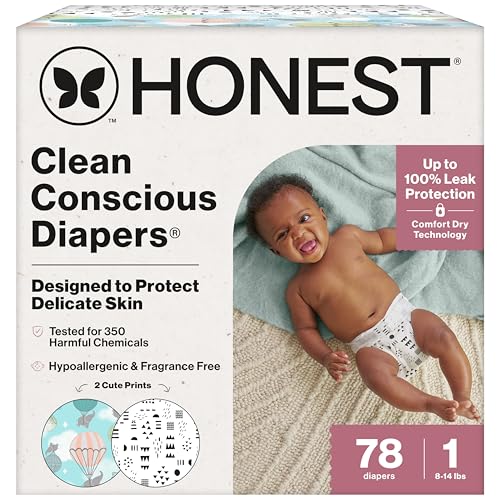
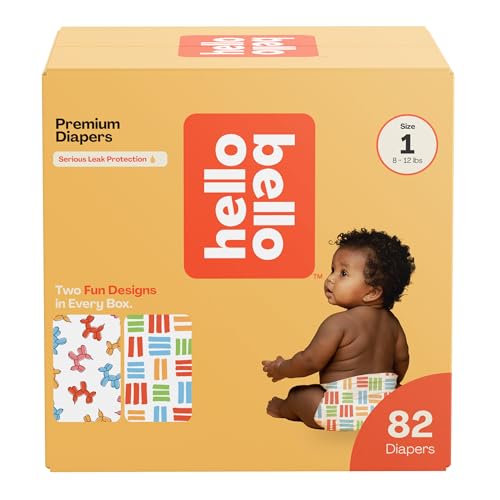
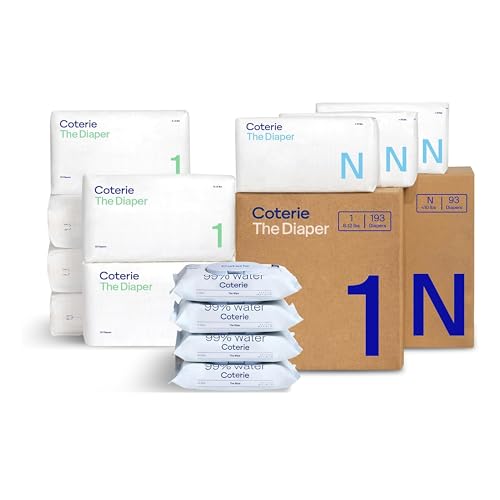
When you are spending your days (and nights) changing dozens of diapers, it is worth pausing to think about what those diapers are actually made of. Conventional diapers are generally considered safe, but many contain trace chlorine bleaching byproducts, fragrance, dyes, and plasticizers that some parents prefer to avoid — especially on a newborn’s sensitive skin. If you are looking for the best non-toxic diapers, the good news is that the category has grown considerably, and there are genuinely excellent options at every price point.

For a full breakdown, check out our post here: The Best Non-Toxic Diapers for Every Budget (2026 Guide)



Non-Toxic Baby Feeding Products
Sippy Cups
Once your baby transitions from bottle or breast to a cup, material matters. Plastic sippy cups — especially older or cheaper ones — can leach BPA, BPS, and other bisphenol compounds into liquid, particularly when heated or washed repeatedly at high temperatures. The safest materials for sippy cups are stainless steel and borosilicate glass. If plastic is necessary, look for BPA-free, BPS-free, and phthalate-free labeling — and check that the claim covers the entire cup, not just certain components.
Non-Toxic Hand Soap for Families
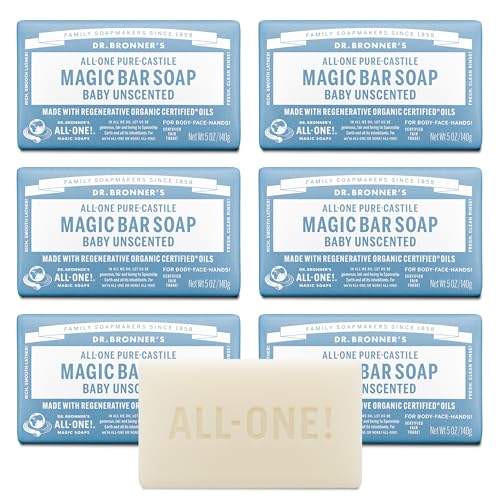
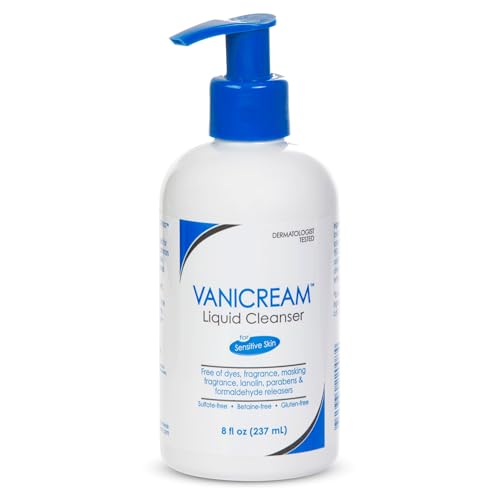
Unscented Hand Soap

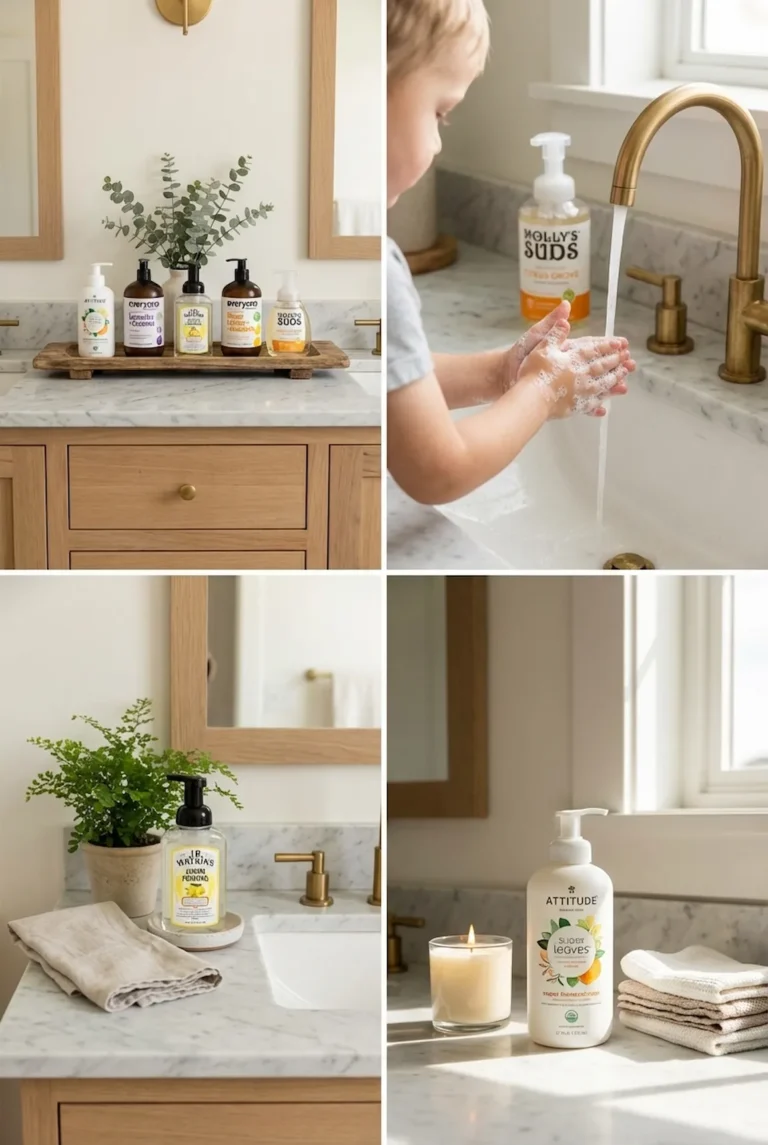
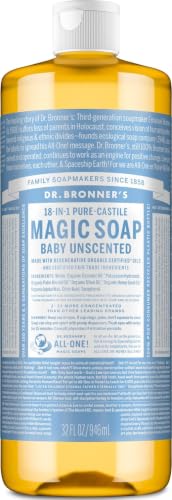
Hand soap is one of the most frequently used products in any home with a baby — caregivers wash their hands constantly, and babies themselves start putting their hands everywhere almost immediately. Most conventional hand soaps contain synthetic fragrance, triclosan (an antibacterial agent linked to hormone disruption), and SLS. Switching to a fragrance-free, plant-based hand soap is one of the easiest and most impactful household swaps you can make. It benefits the whole family, not just the baby.
For our full breakdown of the best-tested picks with detailed product notes, see our dedicated post: The Best Unscented Hand Soap for Families
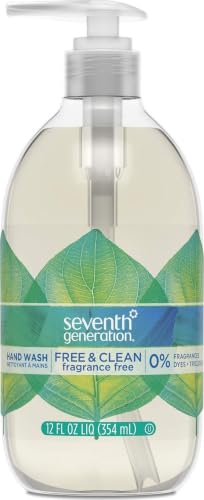
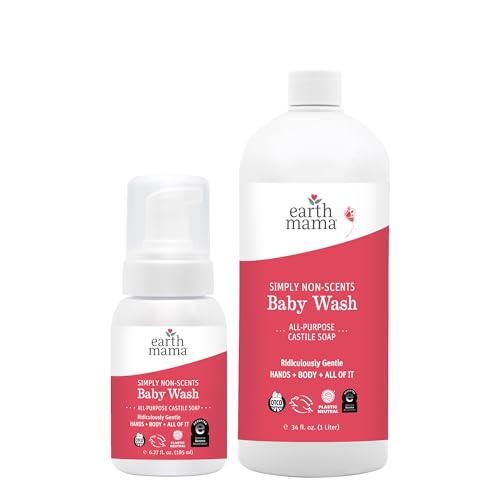

Natural Hand Soap for Families
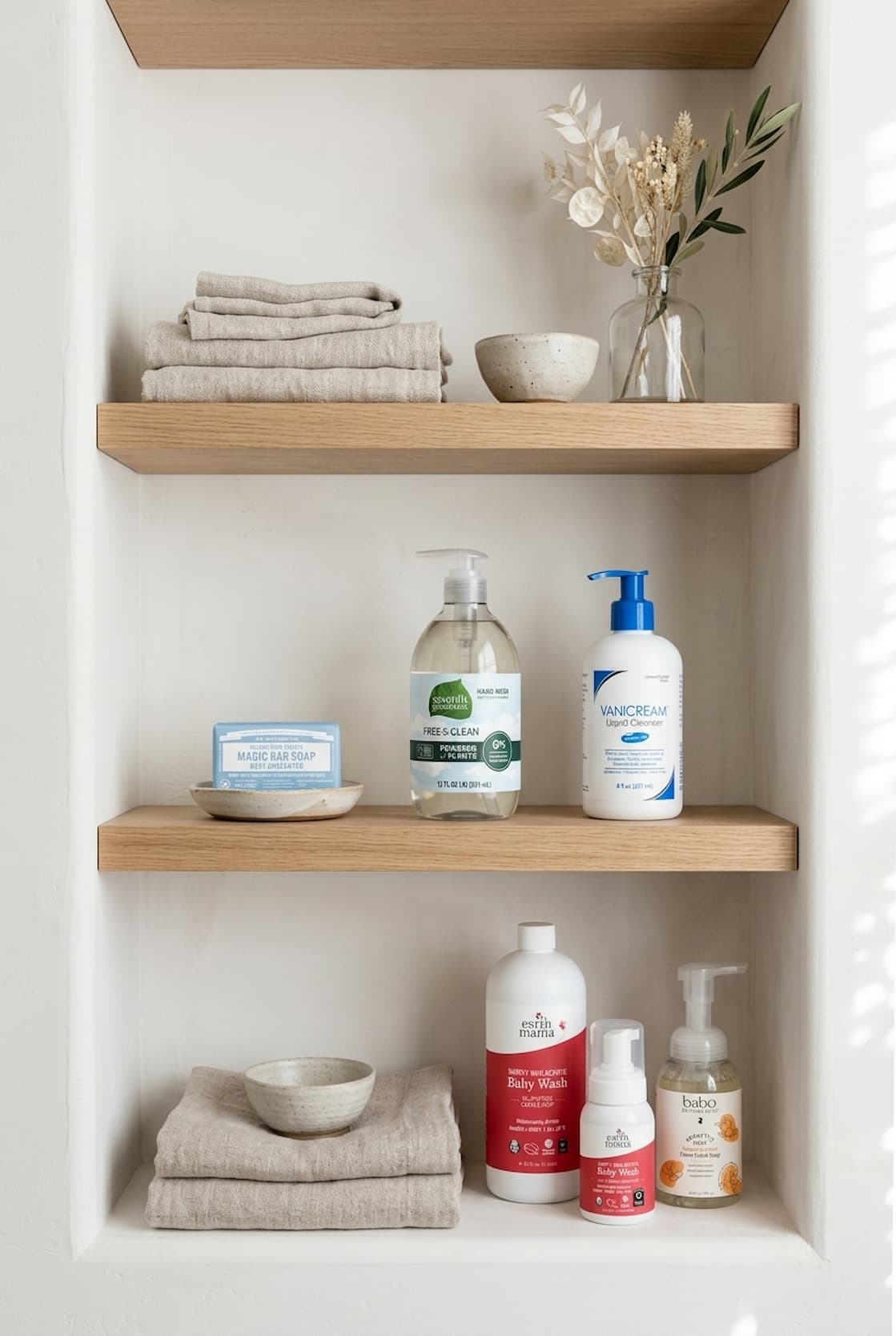
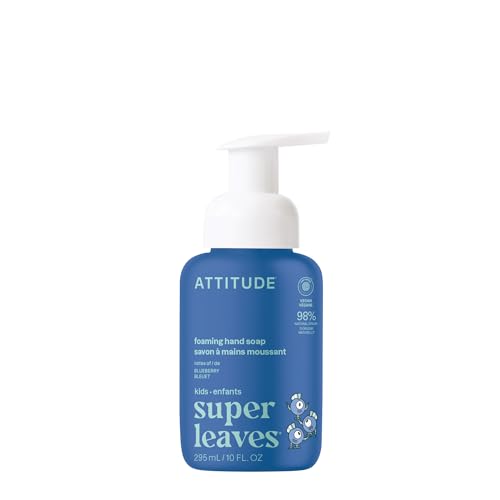
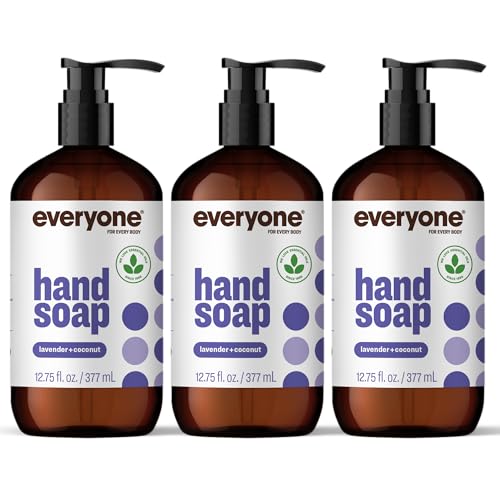
As babies become toddlers, they start washing their own hands — and they’re much less careful about it. A gentle, naturally-derived hand soap that lathers well, rinses clean, and doesn’t require fragrance to smell appealing is the practical everyday option. Look for plant-based surfactants, no synthetic fragrance, and no dyes. The same criteria apply whether you’re buying for a newborn household or a busy toddler.
For our full breakdown of the best-tested picks with detailed product notes, see our dedicated post:
The Best Non Toxic Hand Soap for Families (Dermatologist-Approved Picks)


Non-Toxic Cleaning Products for Homes with Babies
All-Purpose and Surface Cleaners
The surfaces your baby crawls on, plays on, and inevitably licks are only as safe as what you cleaned them with. Conventional cleaning sprays contain VOCs (volatile organic compounds), synthetic fragrances, and surfactants that leave residue and off-gas into the air long after you’ve wiped down the counter. Non-toxic cleaning products use plant-derived surfactants and simple mineral-based ingredients that clean effectively without the chemical load. Many of the best options are also concentrated, which reduces plastic waste and cost per use.
Non-Toxic Dish Soap
Every bottle, cup, and feeding utensil your baby uses gets washed with dish soap. If that dish soap contains synthetic fragrance, sulfates, or preservatives of concern, residue can transfer to feeding items that go directly into your baby’s mouth. Non-toxic dish soaps are plant-based, fragrance-free or scented with essential oils, and free of dyes and parabens. Several highly rated options are available at accessible price points and perform well on formula residue and milk fat — the toughest things you’ll be washing.
How to Prioritize: Where to Start If You’re Just Beginning
Switching everything at once is overwhelming and expensive. The better approach is to prioritize by frequency of use and duration of skin contact. Here’s how to think through it:
Start with laundry detergent. Baby clothes are in contact with your newborn’s skin 24 hours a day. Swapping to a non-toxic detergent is a one-time purchase that immediately reduces daily chemical exposure across every piece of fabric they touch.
Then tackle bath products. Baby wash, shampoo, and lotion are applied directly to skin and left there — high absorption, high frequency. These are worth prioritizing early, especially if your baby has sensitive or eczema-prone skin.
Hand soap and cleaning products come next. These affect the whole household environment and caregivers’ hands, which are constantly touching the baby. They’re also among the easiest and most affordable categories to swap.
Sunscreen and bug spray can wait until your baby is old enough to need them — usually 6 months and older. You have time to research those properly before they become relevant.
Feeding products like sippy cups and bottles matter most once your baby starts using them. If you already have glass or stainless options, you’re covered. If you’re choosing plastic, verify BPA-free, BPS-free, and phthalate-free before buying.
The overall principle: don’t try to do everything at once. Every swap you make reduces cumulative exposure, and incremental progress over months adds up to a meaningfully safer environment for your baby.
A Quick Guide to Non-Toxic Certifications
Third-party certifications are the fastest shortcut when you don’t have time to research every ingredient. These are the ones worth knowing:
EWG Verified is the gold standard for personal care and cleaning products. It means every ingredient has been reviewed by Environmental Working Group scientists against their strictest safety standards. Full ingredient transparency is required. Search any product at ewg.org before buying if you’re unsure.
EPA Safer Choice certifies cleaning products whose ingredients have been reviewed for safety by the Environmental Protection Agency. Common on laundry detergents and household cleaners.
USDA Certified Biobased indicates a certain percentage of the product is derived from renewable biological sources — a useful marker for reducing synthetic chemical content, though it doesn’t verify safety on its own.
Leaping Bunny is a cruelty-free certification, not a safety certification — but it’s a signal that a brand operates with some level of ethical standards in its formulation process.
NSF/ANSI 305 (“Contains Organic Ingredients”) applies to personal care products and verifies that a minimum percentage of ingredients are certified organic. More common in skincare than in cleaning products.
When in doubt, EWG Verified is the one to prioritize. It’s the most rigorous and covers both ingredient safety and full transparency — the combination that matters most for products used on babies.
The Bottom Line
Building a non-toxic home for your baby doesn’t have to happen all at once, and it doesn’t have to be expensive. The highest-impact swaps are also the most accessible ones — laundry detergent, bath products, hand soap — and once you’ve made them, they become the default without any ongoing effort.
Each section of this guide links to a dedicated post with fully vetted product roundups, our specific picks, and the reasoning behind every recommendation. Come back to this page as your baby grows — the relevant categories will shift, and we’ll keep the posts updated as products and formulations change.
For more on building a safer home environment, browse our full non-toxic living archive. And for the wellness side of new motherhood — postpartum recovery, self-care, and everything in between — our wellness guides are a good companion to everything here.
Frequently Asked Questions
At what age should I start using non-toxic baby products?
From birth. Newborn skin is the most permeable it will ever be, and the first weeks and months are when reducing chemical exposure matters most. Starting with a clean laundry detergent and fragrance-free bath products before your baby arrives is the simplest approach.
Are non-toxic baby products as effective as conventional ones?
Yes — in most categories, the top non-toxic options perform as well or better than their conventional counterparts. The gap used to be larger, but cleaner brands have invested heavily in formulation. The picks recommended across this site are chosen specifically because they work, not just because they’re safe.
What does EWG Verified actually mean?
EWG Verified means a product has met the Environmental Working Group’s strictest standards for health and safety. Every ingredient has been reviewed by EWG scientists, none of the ingredients appear on EWG’s unacceptable list, and full ingredient transparency is required — including fragrance components. It’s the most rigorous third-party certification available for personal care and cleaning products in the US.
Do I need to replace everything at once?
No. Replacing everything simultaneously is unnecessary and expensive. Start with the highest-frequency, highest-skin-contact categories: laundry detergent and bath products. Then work through hand soap, cleaning products, and feeding items as you run out of what you have. Incremental swaps over several months add up to a meaningfully reduced chemical load without the overwhelm.
Are “natural” and “non-toxic” the same thing?
No. “Natural” is an unregulated marketing term that means nothing specific. A product can call itself natural while still containing synthetic fragrance, optical brighteners, or other problematic ingredients. “Non-toxic” is also not a regulated term, but it’s typically backed by third-party certification (like EWG Verified) in the context of reputable brands. Always look past the front label to the ingredient list and any certifications listed.
Disclosure: This post contains affiliate links. If you purchase through these links, I may earn a small commission at no extra cost to you. Thank you for supporting Raising Well!