Choosing non toxic furniture doesn’t have to be overwhelming or expensive—learn which pieces matter most and how to shop smarter for your home.
When I started thinking about what goes into our home, I honestly didn’t expect furniture to be on my radar. But once I learned about the chemicals hiding in couches, cribs, and even dining chairs, I couldn’t ignore it. The good news? You don’t need to toss everything you own or spend a fortune to make meaningful changes.
Why Non Toxic Furniture Matters for Your Family
The Hidden Chemicals in Conventional Furniture
Most furniture sold today contains a cocktail of chemicals you’d never want near your kids. Flame retardants, formaldehyde, VOCs (volatile organic compounds), and synthetic adhesives can all off-gas into your home’s air for months or even years after purchase. That “new furniture smell”? It’s not just a scent—it’s chemicals evaporating into the air you breathe.
Why This Matters When You Have Young Children
Babies and toddlers spend so much time on the floor, on couches, and in cribs. Their developing bodies are more vulnerable to chemical exposure, and they breathe faster than adults, which means they inhale more air (and more toxins) relative to their size. Creating a low-tox home isn’t about perfection—it’s about reducing exposure where you can.
What Makes Furniture “Non Toxic”?
Understanding VOCs and Off-Gassing
VOCs are chemicals that evaporate at room temperature. They’re found in paints, stains, glues, and finishes used on furniture. High VOC exposure can cause headaches, dizziness, and respiratory issues. Low-VOC or no-VOC finishes release far fewer fumes, making them safer for indoor use.
Off-gassing is the process where these chemicals release into the air. It’s strongest when furniture is brand new, which is why that chemical smell fades over time—but the exposure doesn’t completely disappear.
Flame Retardants and Toxic Materials to Avoid
Flame retardants are some of the worst offenders. They’re sprayed onto foam cushions and upholstery fabrics to meet flammability standards, but they’re linked to hormone disruption, developmental delays, and cancer. California’s TB117-2013 standard updated flammability requirements so manufacturers don’t need chemical flame retardants anymore—but many still use them.
Other materials to watch for include particle board and MDF (medium-density fiberboard), which are often held together with formaldehyde-based glues. Synthetic fabrics like polyester are typically treated with stain repellents and other chemicals.
Certifications Worth Looking For
Certifications take the guesswork out of shopping. Look for:
- GREENGUARD Gold: Tests for low chemical emissions
- GOTS (Global Organic Textile Standard): Ensures organic fabrics
- CertiPUR-US: Certifies foam is free from heavy metals, formaldehyde, and flame retardants
- FSC-Certified Wood: Confirms sustainably sourced solid wood
Not every safe piece of furniture will have a certification (especially smaller brands), but these labels are helpful starting points.
Non Toxic Couches and Other High-Priority Pieces
Why Your Sofa Deserves Extra Attention
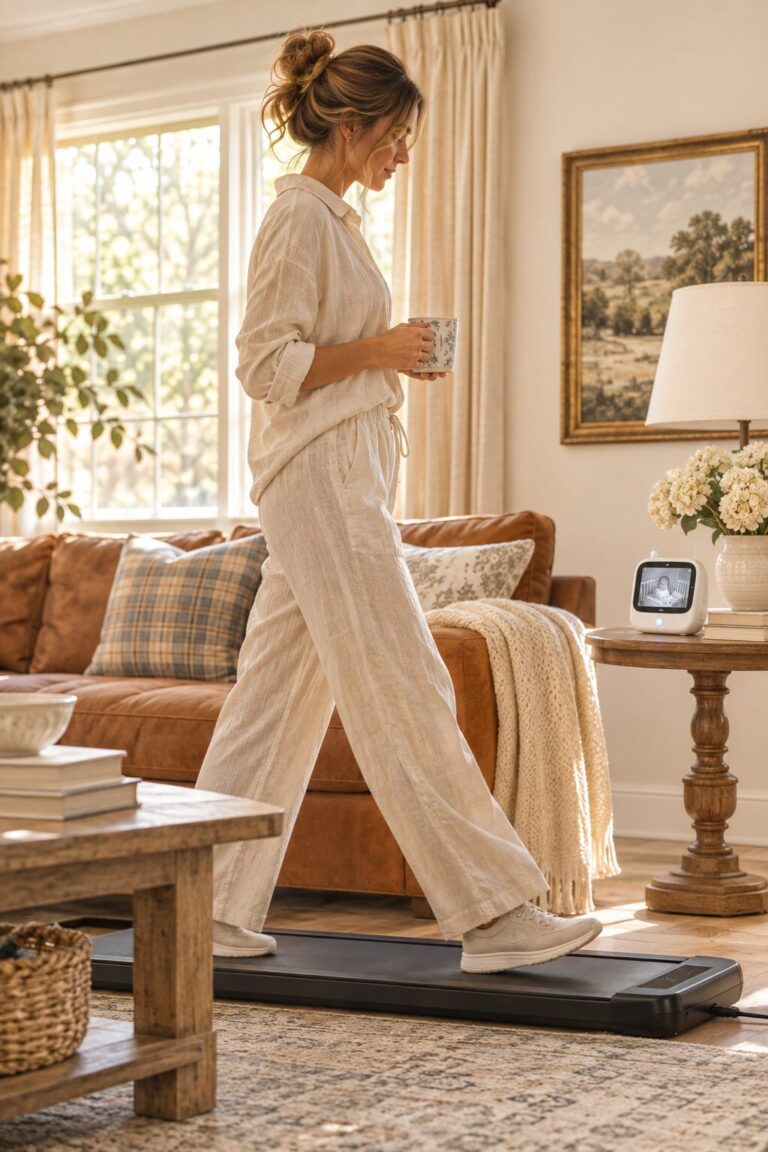
If you’re going to invest in one healthier furniture upgrade, make it your couch. You sit on it daily, nap on it, and your kids probably climb all over it. Non toxic couches use solid wood frames, natural latex or wool batting instead of polyurethane foam, and organic or untreated upholstery fabrics. Yes, they cost more upfront—but they also last longer and don’t release harmful fumes.
Italian leather is another great option—vegetable-tanned leather avoids the harsh chromium chemicals used in conventional tanning and develops a beautiful patina over time.
What to Prioritize First in Your Home
You can’t swap everything overnight, and that’s okay. Focus on the pieces you interact with most: your couch, your bed and mattress, and any furniture in the nursery. These are where you spend the most time and where little ones are most exposed.
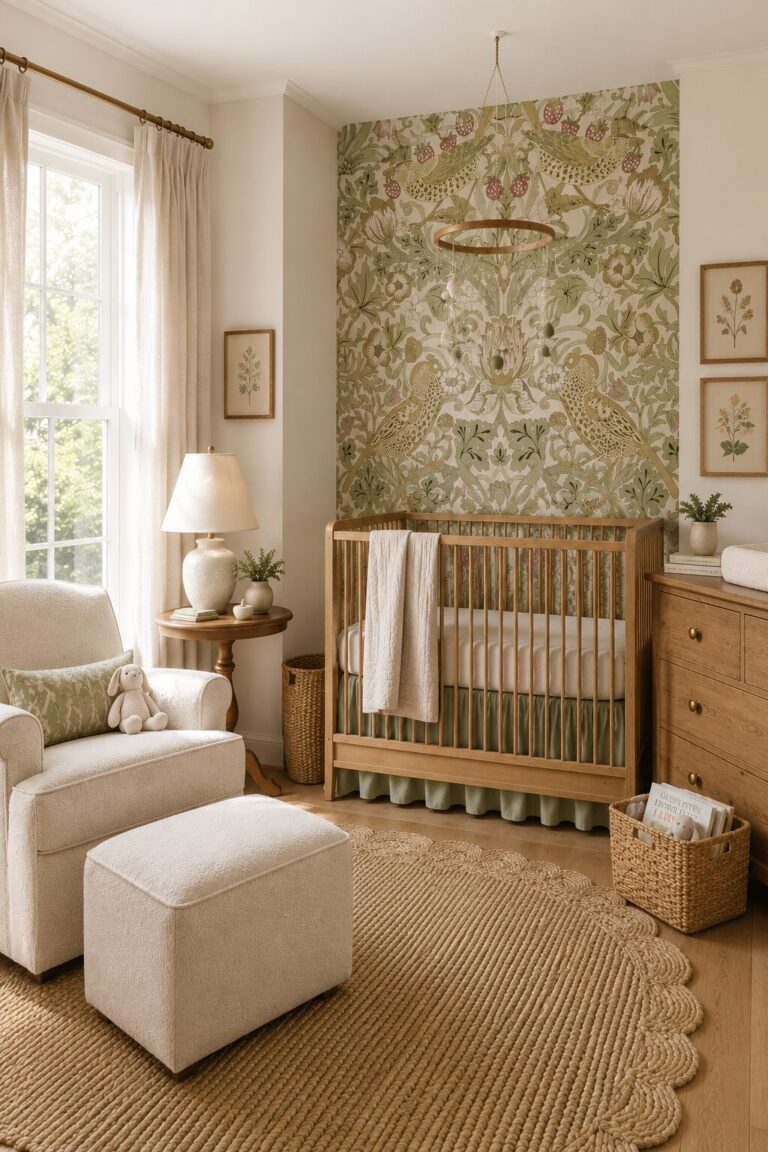
If budget is tight, prioritize the nursery. Things like dressers should be made from solid wood with non-toxic finishes since infants are especially vulnerable.
How to Choose Non Toxic Furniture
Questions to Ask Before You Buy Non Toxic Furniture
Don’t be shy about reaching out to brands directly. Ask:
- What materials are used in the frame, cushions, and upholstery?
- Are flame retardants used?
- What kind of glue, stain, or finish is applied?
- Do you have third-party certifications?
Good companies are transparent. If a brand can’t (or won’t) answer these questions, that’s a red flag.
Best Materials to Look For
Solid wood beats particle board every time. Look for hardwoods like oak, maple, or walnut with water-based or natural oil finishes.
For upholstery, choose organic cotton, linen, hemp, or wool. These breathe better and don’t require chemical treatments. Natural latex foam and wool batting are safer cushion alternatives to conventional polyurethane foam.
Avoid furniture with stain-resistant or waterproof coatings unless they’re explicitly PFAS-free. Many of these treatments contain “forever chemicals” that don’t break down.
Budget-Friendly Tips
Secondhand furniture can be a smart choice—older pieces have already off-gassed, and many were made with solid wood before particle board became standard. Just check for peeling paint if the piece is very old (pre-1978), as it may contain lead.
You can also look for unfinished furniture and finish it yourself using non-toxic oils or sealants. Another option: buy one high-quality foundational piece (like a couch) and mix in budget-friendly solid wood finds elsewhere.
Making the Transition
You Don’t Have to Replace Everything at Once
Start small. Maybe it’s one chair, or just replacing your kid’s mattress. Every swap reduces your family’s overall exposure, and those small changes genuinely add up over time.
Reducing Off-Gassing from Furniture You Already Own
If you can’t replace a piece right now, you can still lower its impact. Ventilate the room well—open windows, use fans, and let new furniture air out in a garage or outdoor space for a few days if possible before bringing it inside.
Wash any removable fabric covers before use. Consider adding a natural fiber slipcover or throw blanket over couches to create a barrier. And if a piece smells strongly for weeks, it might be worth reconsidering whether it’s worth keeping.
Final Thoughts: Small Changes Add Up
Creating a healthier home doesn’t mean starting from scratch or spending thousands overnight. It’s about making intentional choices when you can and letting go of the pressure to be perfect. Your couch might not be organic, but maybe your baby’s crib is. Maybe you bought a secondhand dresser and refinished it yourself. Those decisions matter.
The more you learn, the easier it gets to spot safer options and ask better questions. And ultimately, you’re building a home that supports your family’s health in ways that feel manageable and real.
Looking for more home wellness tips? Check out our home posts.